
How to prepare for your first Aikido class
World Aikido Yoga
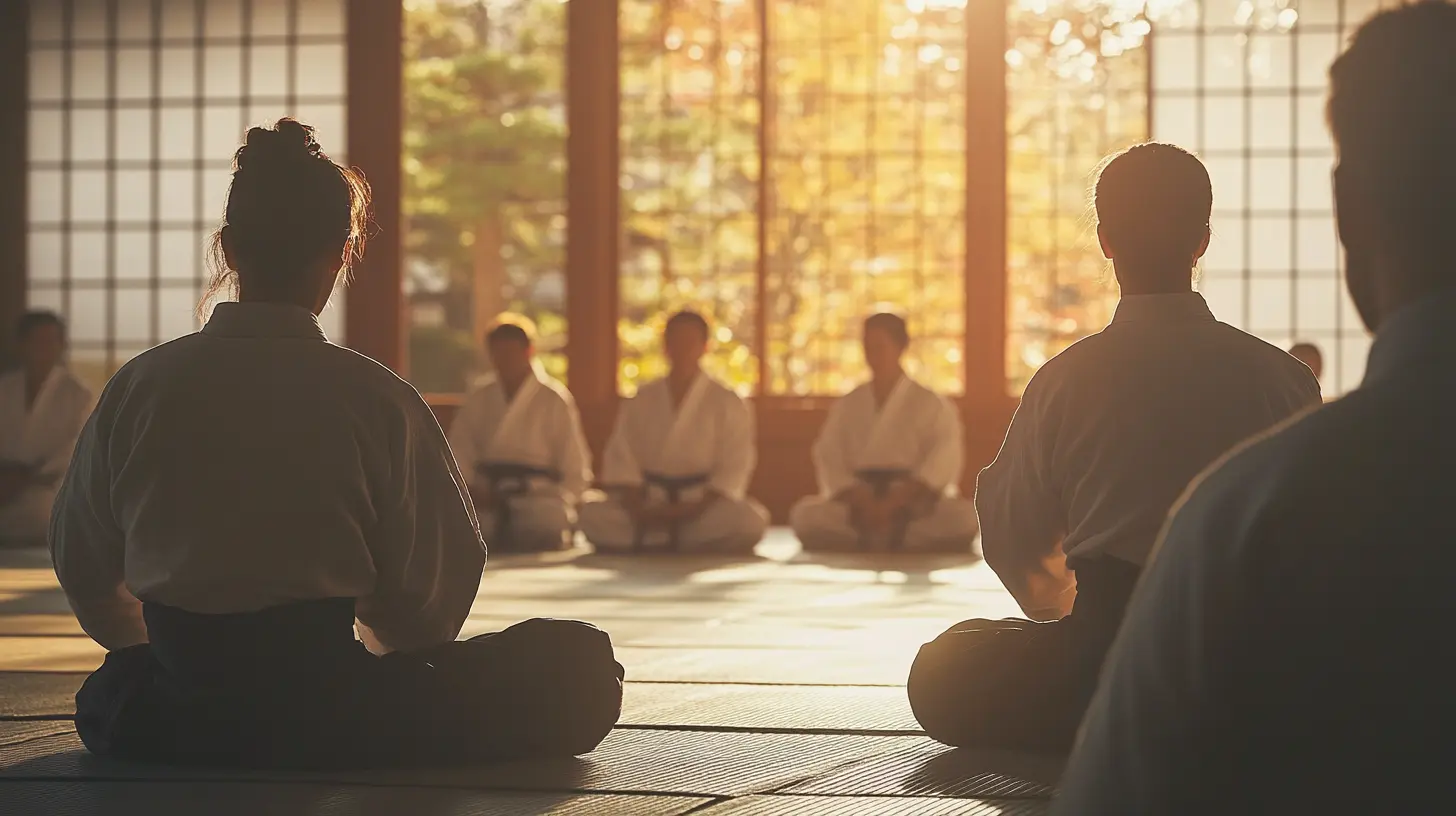
Embarking on your journey into Aikido is an exciting venture. Whether your interest is rooted in self-defence, enhancing fitness, or cultivating mindfulness, preparing adequately for your first class is vital to ensure it’s a positive and enriching experience.
Understanding Aikido Basics
Aikido, a martial art from Japan, translates to “the way of harmonising energy.” Founded by Morihei Ueshiba in the early 20th century, Aikido integrates the principles of self-defence while also fostering personal growth and inner peace. Aikido practitioners learn techniques to neutralise aggression without causing harm, making it unique among martial arts.
History and philosophy
The foundation of Aikido lies in its deep philosophical roots. Ueshiba, influenced by his spiritual beliefs, designed Aikido to emphasise both physical skill and moral development. This martial art places significant importance on respect for one’s opponent and energy redirection through circular movements.
Key techniques
Beginner students in Aikido will be introduced to various fundamental techniques such as Ikkyo, Nikkyo and Tenkan. These terms might sound foreign, but they embody essential aspects of balance and energy control crucial in practice. Understanding these basics can make your first experience less daunting and help bridge any apprehension about diving into an entirely new discipline.
Preparing Physically for Aikido
Physical preparation is as crucial as mental readiness when stepping into an Aikido dojo. Here are some suggestions to prepare physically.
Dress appropriately
Aikido attire typically comprises a gi (traditional martial arts uniform). Before acquiring one, wear comfortable, loose-fitting clothing to your introductory class. Track pants and a t-shirt will suffice. Once committed, invest in a proper gi, as it facilitates movement and demonstrates respect for the dojo’s customs.
Flexibility and conditioning
Aikido involves a lot of twisting, turning, and rolling, making flexibility an advantage. Incorporate stretching exercises into your routine, focusing on your hips, shoulders, and back. Yoga, which complements Aikido perfectly, can enhance your flexibility. Consider integrating a few yoga poses into your warm-up regimen to improve your range of motion.
Basic fitness level
While Aikido does not demand exceptional strength or stamina, a moderate fitness level ensures you can keep up with classes. Regular cardiovascular exercises and basic strength training can help improve endurance and prevent injuries. Engaging in activities like jogging, cycling, or swimming can be beneficial.
Mental Preparation: Cultivating the Right Mindset
Preparing your mind is equally vital to succeeding in Aikido. Let’s delve into how to cultivate the right mindset.
Open-mindedness
Approach your first class with an open mind. Aikido might challenge preconceived notions of martial arts through its gentler, more philosophical approach. Embrace the learning process without expectations. Accept that mastering Aikido is a journey, not a destination.
Patience and humility
Aikido is a martial art of patience. Initial stages may seem slow as you learn basics, but patience pays off. Be humble and ready to learn from instructors and peers. Acknowledging your beginner status helps you absorb techniques more effectively and grow as a practitioner.
Mindfulness through meditation
Meditation practices can greatly enhance your mental preparation for Aikido. Similar to yoga, meditation emphasises the centring of the mind, awareness, and focused attention. Introducing mindfulness meditation into your daily routine can reduce anxiety, improve concentration, and prepare you mentally for the dojo’s environment.
Familiarising Yourself with Dojo Etiquette
Understanding dojo etiquette is crucial for fitting in and showing respect to your instructors and fellow students.
The importance of respect
Respect is a cornerstone of Aikido practice. Learn the tradition of bowing to your sensei (teacher) and fellow students, a gesture that signifies respect, humility, and gratitude. The dojo is a sacred place, and your behaviour should reflect that awareness.
Protocols and practices
Most classes begin with a formal bow on the mat, indicating your readiness and mental focus. It involves listening attentively and following instructions, demonstrating courtesy towards instructors’ guidance. Additionally, you’ll practice your techniques with partners. Communication and mutual respect during practice help build a constructive learning environment.
Safety guidelines
Familiarise yourself with the dojo’s safety guidelines. Listen carefully to instructions and ask questions if needed. Always inform your instructors of any injuries or physical limitations, ensuring your practice is safe and enjoyable.
What to Expect in Your First Class
Knowing what to anticipate can help reduce first-class jitters and build confidence.
Class structure
Typically, an Aikido class begins with a warm-up session followed by practising basic techniques and partner work. In the introductory class, you will learn about fundamental stances, movements, and perhaps even execute your first rolls and falls. Embrace each moment as an opportunity to learn and grow.
Learning the language
While practising Aikido, you’ll be exposed to Japanese terminology. Terms like “uke” (receiver of an attack) and “nage” (the one who performs the technique) are commonly used. Gradually familiarising yourself with this terminology adds depth and understanding to your learning experience.
Work with a partner
Working closely with a partner is an integral part of Aikido. You may switch partners frequently to experience diverse body types and movements. This fosters adaptability, enhances your understanding of different energies, and promotes camaraderie within the class.
Integrating Yoga and Meditation
Aikido famously blends well with yoga and meditation, offering a harmonious trifecta for physical and mental wellbeing.
Yoga for Aikido
Incorporating yoga with Aikido can enhance balance, flexibility, and focus. Basic yoga poses like the Warrior II pose and Tree pose can improve your posture and stability, forming a sound foundation for Aikido practice. Attending yoga classes or practising at home can be beneficial.
Meditation techniques
Meditation’s role in Aikido isn’t limited to pre-class preparation; it benefits overall practice. Engage in mindfulness or focused meditation to regulate breathing, focus, and calmness. Techniques like zazen or guided meditations can be instrumental in harmonising your mind with Aikido’s philosophies.
Synchronicity of body and mind
At the heart of integrating yoga and meditation lies the harmony between body and mind. The fluidity of Aikido is intricately connected with the seamless interplay of physical movements and mindful awareness. Regular yoga and meditation foster heightened awareness, allowing Aikido practitioners to react instinctively and confidently.
Summary
Preparing for your first Aikido class involves a balance of physical readiness, mental preparation, and understanding dojo etiquette. This multilayered approach fosters a rich, comprehensive experience, paving the way for a rewarding exploration of Aikido. Embrace this unique journey, complement it with yoga and meditation practices, and discover how these disciplines intertwine for holistic wellness. Remember, learning Aikido is not simply about mastering techniques; it’s a process of personal growth, self-discovery, and inner peace. Are you ready to step onto the mat?
Frequently asked questions
Is Aikido suitable for all fitness levels?+
Absolutely. Aikido is designed to suit individuals of varying fitness levels and ages. While a basic fitness level is advantageous, the art itself does not demand extreme physical prowess.
How often should I practise to see improvements?+
Consistency is key. Attending classes at least twice a week, supplemented by home practice, maximises improvement. Regular practice allows for faster adaptation of techniques and principles.
Do I need prior martial arts experience?+
No prior experience is required. Aikido welcomes beginners from all walks of life. It is a highly adaptable martial art that offers progressive learning tailored to your level of understanding and skill.
How long does it take to achieve proficiency in Aikido?+
Proficiency in Aikido is subjective and varies for each individual. Dedication and consistent practice can accelerate progress, but mastery is a lifelong pursuit aligned with personal growth and mindset.
Can Aikido be effective for self-defence?+
Yes, Aikido teaches effective self-defence through its principles of using an opponent's energy against them. Its focus on redirecting aggressive energy promotes self-protection while avoiding harm to others.