
Introduction to Aikido: What it is and its benefits
World Aikido Yoga
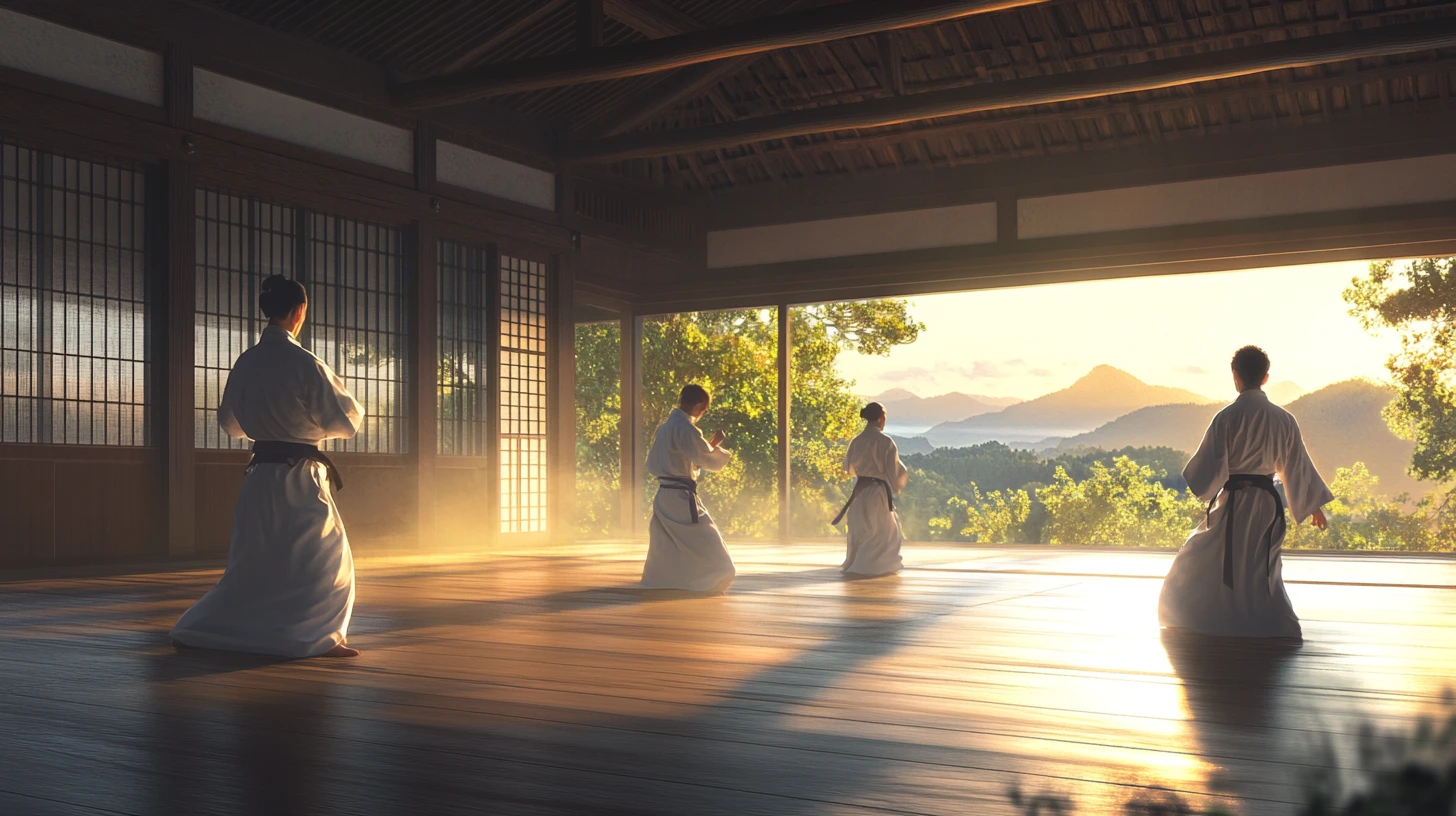
Aikido is a modern Japanese martial art that is often described as a discipline of harmony, with a philosophy focused on achieving peace and balance. Established by Morihei Ueshiba in the early 20th century, Aikido is unique among martial arts due to its emphasis on blending with an opponent’s movements to control aggression without causing harm or injury. This art, rooted in traditional Japanese martial systems, promotes spiritual growth, physical fitness, and mental clarity.
The origins and philosophy of Aikido
Morihei Ueshiba: The founder of Aikido
Morihei Ueshiba, often referred to as O-Sensei (Great Teacher), developed Aikido as a means of creating peace both personally and universally. His experiences in various martial arts and his deep spiritual insights combined to form Aikido, which aims to neutralize aggression with compassion and harmony.
The philosophy of Aikido
The practice of Aikido embodies the principle of non-resistance, utilising the opponent’s energy to achieve a peaceful resolution to conflict. The word ‘Aikido’ itself can be broken down into three characters: ‘Ai’ (harmony), ‘Ki’ (spirit or energy), and ‘Do’ (the way), which together signify ‘the way of unifying with life energy’. This philosophy is deeply intertwined with the martial art and highlights the importance of personal growth and self-improvement over physical confrontation.
Technical aspects of Aikido
Aikido techniques focus on dynamic movement and balance, leveraging opponent force rather than direct confrontation. Practitioners develop skills in joint locks, pins, and throws. The movements are circular and fluid, mirroring the natural flow of energy. Importantly, Aikido training also includes practicing with weapons such as the bokken (wooden sword), jo (wooden staff), and tanto (dagger).
The physical benefits of practicing Aikido
Improved flexibility and coordination
Aikido training enhances flexibility and coordination through repetitive and dynamic movements. These exercises promote greater range of motion, muscle elasticity, and overall physical agility. A study published in the Journal of Sports Sciences indicated that regular martial arts practice, including Aikido, significantly improves muscle flexibility and joint stability (source).
Cardiovascular health
Continuous practice and repetition of movements in Aikido improve cardiovascular endurance, enhancing heart health. Engaging in aerobic activities like Aikido has been linked to reduced blood pressure and improved heart function according to research published in the Journal of Exercise Rehabilitation (source).
Strength and conditioning
While Aikido may not be as physically demanding in terms of sheer strength as other martial arts, it still contributes to muscle toning and strength. Aikido practitioners regularly perform falls and rolls during practice, which act as a full-body workout, helping build core strength and conditioning the entire body.
The mental and emotional benefits of Aikido
Stress reduction
Aikido’s meditative practices encourage focus and mindfulness, reducing stress and anxiety. A study from the Journal of Sports Medicine and Physical Fitness found that martial arts training significantly lowers stress levels through the promotion of relaxed breathing and concentration techniques (source).
Enhancing concentration and discipline
Regular Aikido practice hones concentration and discipline. Individuals learn to react calmly under pressure and maintain focus in challenging situations. This enhanced ability to concentrate can have positive effects outside the dojo, improving productivity in personal and professional life.
Building confidence
Learning self-defence techniques builds confidence and a sense of safety. Aikido encourages practitioners to step out of their comfort zones, confronting challenges with a positive mindset and resilience.
Aikido as a community and life philosophy
Building social connections
Aikido is often practiced in a dojo (training place) that fosters a sense of community among practitioners. Working together towards mastery of the art nurtures a spirit of cooperation and friendship.
Real-world applications
The principles of Aikido have real-world applications beyond physical self-defense. Its emphasis on harmony and resolution can be adapted to conflict resolution and problem-solving in daily life, promoting peaceful and mutually beneficial outcomes.
Summary
Aikido offers a unique blend of physical, mental, and spiritual benefits. It promotes flexibility, strength, and cardiovascular health while enhancing mental focus, reducing stress, and building confidence. With its deep-rooted philosophy of harmony and peace, Aikido extends beyond the martial art, shaping a life philosophy with practical relevance in modern society. Whether you’re seeking physical fitness, personal growth, or a new community, Aikido presents a path worthy of exploration.
Frequently asked questions
1. Is Aikido suitable for beginners?+
Absolutely. Aikido is designed to accommodate practitioners of all levels, including beginners. The techniques are taught progressively, ensuring novices build a solid foundation before advancing.
2. What is the ideal age to start practicing Aikido?+
Aikido can be practiced by people of all ages, children and adults alike. Many dojos offer classes specifically tailored for different age groups to ensure appropriate teaching methods and safety.
3. Do I need to be physically fit to practice Aikido?+
No specific fitness level is required to begin Aikido. The practice itself improves physical fitness over time. However, it’s always advisable to consult a doctor if you have any health concerns.
4. How long does it take to become proficient in Aikido?+
Proficiency in Aikido varies greatly among individuals. Consistent practice and dedication are essential, but it generally takes several years to attain a high level of skill.
5. Can Aikido be used for self-defence?+
Yes, Aikido techniques are effective for self-defence, focusing on neutralizing an attacker without causing harm. It empowers practitioners with confidence and composure in potentially dangerous situations.