
How to improve flexibility for Aikido
World Aikido Yoga
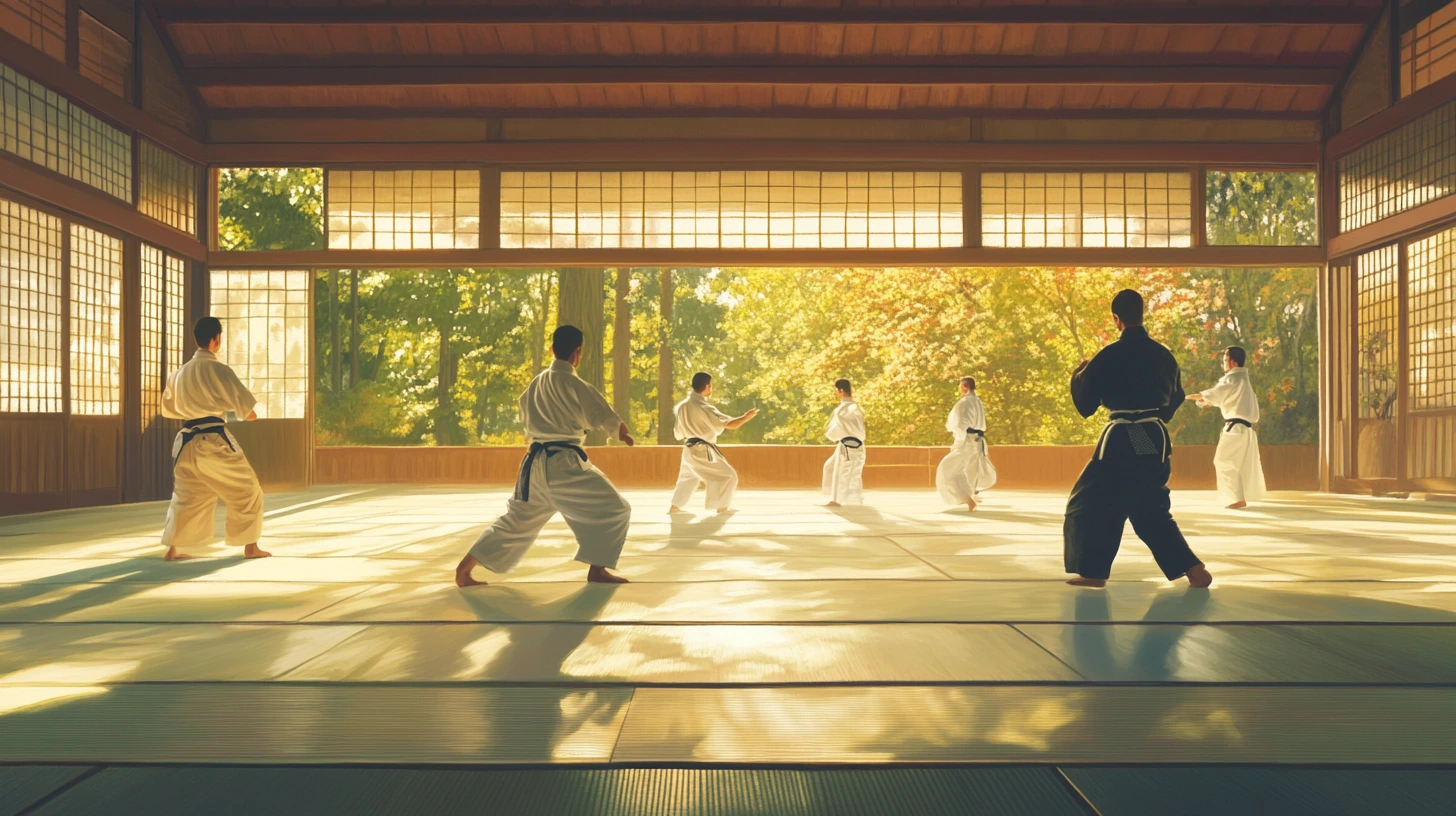
Aikido, the peaceful martial art that emphasises harmony, fluid motion, and self-defence without harm, requires a high degree of flexibility. Flexibility is not only essential for effective techniques but also helps prevent injuries and enhances overall body control. Whether you’re a beginner or a seasoned practitioner, improving flexibility can significantly enhance your aikido practice. In this article, we’ll explore various methods and exercises to boost flexibility tailored specifically for Aikido, and how they align with the core principles of this martial art.
Understanding flexibility
What is flexibility?
Flexibility refers to the ability of a joint or series of joints to move through an unrestricted, pain-free range of motion. It’s crucial in Aikido due to the fluid and dynamic nature of its techniques. Not only do improved flexibility levels enhance technique execution, but they also contribute to better balance and movement efficiency.
Why is flexibility important in Aikido?
In Aikido, practitioners perform movements that require whole-body muscle engagement. Techniques often involve circular motions, which can place demands on joints and muscles. Enhanced flexibility allows practitioners to move more fluidly, execute techniques more effectively, and reduce muscle strain and injury risk.
Scientific perspectives on flexibility
Scientific studies highlight flexibility as a vital component of physical fitness. According to Harvard Health Publishing, flexibility improves your overall functional ability, which is critical for activities that necessitate physical effort Harvard Health Publishing. Additionally, the National Institutes of Health show that flexibility exercises can improve balance and performance, crucial for practices like Aikido that require dynamic movement NIH.
Techniques to improve Aikido flexibility
Stretching routines
Dynamic stretching
Dynamic stretching involves active movements that take your joints and muscles through their full range of motion. It’s an excellent precursor to training as it effectively warms up the body, prepares muscles for intense activities, and stimulates blood flow. Examples include arm circles, hip rotations, and leg swings, all of which are beneficial before Aikido practice.
Static stretching
Static stretching, where you hold a stretch for 15 to 60 seconds, is key to enhancing flexibility after workouts. This helps in lengthening muscles and tendons, leading to improved range of motion. Common static stretches for Aikido include hamstring stretches, calf stretches, and shoulder stretches.
Yoga and pilates for enhanced flexibility
Yoga and Pilates are excellent practices to improve flexibility, core strength, and mental focus—attributes integral to Aikido. Incorporating yoga routines centred around poses such as the downward dog, cobra, and triangle pose can significantly enhance the flexibility of key muscle groups engaged in Aikido.
Pilates, which focuses on controlled movements and core strengthening, complements Aikido’s emphasis on stability and posture. Attending a regular class or practising guided sessions at home can be beneficial.
Martial arts-based flexibility drills
Martial arts flexibility drills specific to Aikido can enhance range of motion and improve functional skills. Consider practising techniques like wrist twists, kotegaeshi (wrist lock) stretches, and arm bar exercises. These drills help in loosening joints and muscles, making the complex motions of Aikido smoother and more efficient.
Integrating flexibility training into your routine
Consistency is key
Improving flexibility requires consistency. Setting aside dedicated time for flexibility exercises in your weekly routine can lead to gradual improvements. A plan may include daily stretching sessions complemented by yoga or Pilates classes a few times a week.
Warm-up and cool-down practices
Incorporating flexibility exercises during both warm-up and cool-down stages maximises benefits and reduces injury risks. Aikido sessions should start with dynamic stretches to activate muscles and end with static stretches to relax them.
Partner stretching
In Aikido, as with many martial arts, working with a partner can aid in achieving deeper stretches and understanding body dynamics better. Partner stretching exercises, such as assisted leg stretches or joint manipulation under controlled conditions, improve flexibility and technique comprehension.
Complementary practices to boost flexibility
Meditation and mental alignment
Aikido is as much about mental calmness as physical movement. Incorporating meditation helps in achieving a clear and focused mind, which indirectly aids relaxation and flexibility. Methods such as mindfulness meditation can enhance body awareness, supporting flexibility workouts.
Balanced nutrition
Diet plays a significant role in maintaining healthy muscles and joints. Incorporate foods rich in omega-3 fatty acids, found in fish and flaxseeds, as they lower inflammation and support joint health. Hydration is equally crucial for maintaining muscle elasticity.
Adequate rest and recovery
Your body gains flexibility through the process of work, rest, and recovery. Ensuring adequate sleep and rest days is essential, allowing the body to repair and grow stronger after workouts.
Summary
Enhancing flexibility is a journey that complements the flow and ethos of Aikido. It’s about consistency, technique, and balance, combining physical exercises and mental disciplines like yoga, meditation, and partner work to enrich your practice. By integrating these strategies, practitioners can not only improve their Aikido skills but also enjoy a holistic boost to their physical and mental well-being. Remember, flexibility is lifelong, dynamically evolving and improving with regular dedication and the right approach. At Aikido Bayside, you can take your flexibility—and your Aikido practice— to new heights.
Frequently asked questions
How often should I stretch to improve flexibility for Aikido?+
Aiming for daily stretching sessions can gradually enhance flexibility. Even dedicating 15-20 minutes each day can lead to noticeable improvements over time.
Can anyone improve their flexibility?+
Absolutely, flexibility can be improved at any age with consistent practice. It's important to progress at your own pace to avoid injury.
Does flexibility guarantee better Aikido performance?+
While it doesn't guarantee performance, improved flexibility enables you to execute Aikido techniques more fluidly and with less risk of injury.
Are there any risks associated with flexibility training?+
Yes, poor technique or over-stretching can lead to injuries. It’s crucial to follow proper guidance and not push beyond your limits.
What's the best time of day to stretch for flexibility?+
Stretching can be done at any time; however, many find morning or post-practice times best as muscles are warm and receptive.