
Exploring the Aikido community globally
World Aikido Yoga
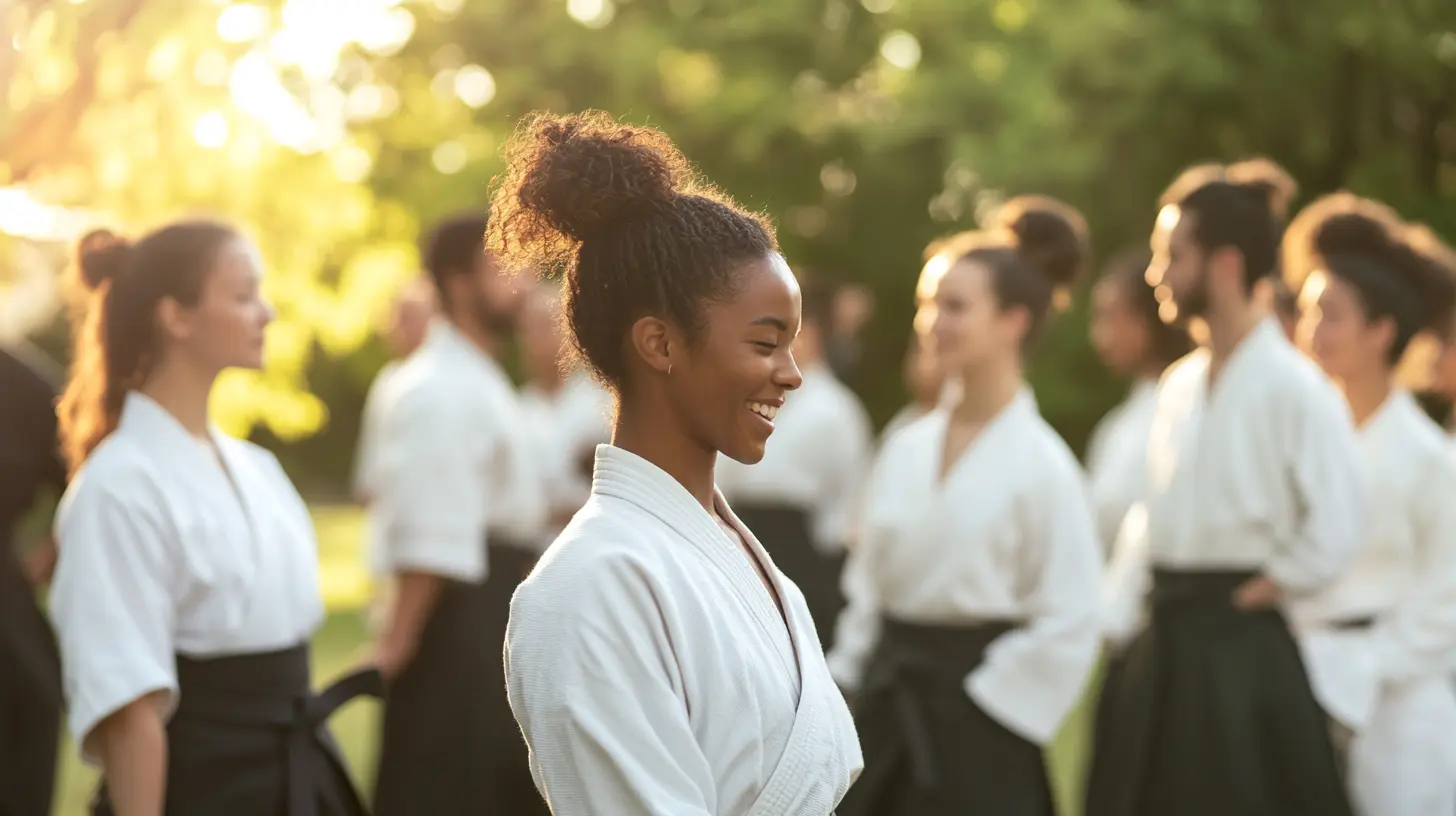
In today’s interconnected world, exploring the Aikido community globally opens doors to a diverse range of practices, philosophies, and cultural influences that enhance our understanding of this martial art. Aikido, known for its non-violent principles and harmonising techniques, transcends mere self-defence—offering a path to personal growth, peace, and community connection. This article delves into the global Aikido community, highlighting its rich cultural tapestry and how it evolves across continents.
Aikido’s origins and global spread
The roots of Aikido
Aikido, founded by Morihei Ueshiba in the early 20th century, originated in Japan. Combining martial influences such as jujutsu and kenjutsu with Ueshiba’s spiritual beliefs, Aikido stresses self-defence without harm to the attacker. Ueshiba believed in the martial art as a means to cultivate inner peace and harmony.
Global expansion and cultural adaptation
Following World War II, Aikido began its global journey. It captured the interest of martial artists and pacifists alike, spreading to North America, Europe, Australia, and beyond. Each region brings its unique cultural context to Aikido, often blending traditional techniques with local philosophies. In North America, for example, Aikido’s philosophy may mesh with the principles of mindfulness, while in Europe, it might align with philosophical traditions like stoicism.
Aikido communities around the world
Aikido in Japan
Many consider Japan the home of Aikido, with dojos often deeply embedded within local communities. Practitioners in Japan value traditional forms and etiquette, preserving the art’s purity and alignment with Ueshiba’s original teachings. Cities such as Tokyo and Osaka host prestigious dojos, such as the Hombu Dojo, attracting international students aiming to deepen their skills and understanding.
Aikido in North America
In North America, Aikido enjoys significant popularity. Organisations like the United States Aikido Federation (USAF) play key roles in promoting Aikido and adapting its teaching methods to resonate with diverse audiences. Here, Aikido often integrates holistic health approaches, such as yoga and meditation, reflecting a broader interest in wellness and self-improvement.
Aikido in Europe
European countries, rich in historical and cultural diversity, have also embraced Aikido. France and Germany host large Aikido communities, often organising international seminars and camps. The European Aikido Federation (EAF) works to unify these diverse groups, promoting inclusivity and cross-cultural learning among practitioners.
Aikido in Australia and Oceania
In Australia and other parts of Oceania, Aikido has carved its niche, appealing to individuals seeking physical activity combined with mental growth. Organisations like the Aikido Federation of Australia continue to build affiliations with international bodies, fostering community through workshops and retreats that encourage interregional exchanges.
Aikido in Africa and South America
While smaller than other regions, Aikido communities in Africa and South America are growing steadily. In South Africa, Peru, and Brazil, Aikido resonates with individuals drawn to its peaceful philosophy and benefits for stress relief and personal empowerment. Collaborative projects with more established international Aikido organisations provide essential support, helping these communities expand.
The impact of technology on global Aikido communities
Online training and resources
With technological advancements, Aikido practitioners now have unprecedented access to a wealth of online resources. Video tutorials, virtual seminars, and online forums help bridge geographical gaps, allowing practitioners to learn from renowned senseis and interact with fellow disciples worldwide.
Today, platforms like YouTube and social media enable the sharing of Aikido techniques, philosophies, and discussions, building an expansive digital Aikido community. This access not only aids practitioners in skill enhancement but also sustains community engagement, especially during times when in-person training may be limited.
Virtual competitions and seminars
The COVID-19 pandemic accelerated the virtual transformation of many Aikido training sessions and seminars. Virtual events, while lacking the physical interaction of traditional classes, offer unique advantages. Global reach becomes more manageable, and practitioners can participate in international events without the high cost of travel.
Virtual seminars also broaden exposure to a variety of Aikido styles and teachings, as individuals can explore different schools without geographical constraints. These formats encourage collaboration and blending of practices, fostering a more unified global Aikido identity.
The philosophical and physical benefits of global Aikido practice
Harmonising body and mind
Aikido’s emphasis on harmony—between practitioners, the environment, and oneself—extends beyond the dojo, influencing everyday life. Regular practice promotes mental clarity, reduces stress, and enhances focus. Physically, the fluid movements of Aikido improve flexibility, coordination, and balance, benefiting practitioners of all ages.
The practice of mindfulness in Aikido can also complement other disciplines like yoga and meditation, enriching the practitioner’s spiritual journey and fostering holistic well-being. The blending of these practices is often seen in regions where Aikido overlaps with other wellness movements.
Cultural exchange and community building
The multicultural nature of the global Aikido community encourages cultural exchange and understanding. International seminars and workshops offer practitioners a chance to learn about different cultures through martial practice, fostering global friendships and networks.
Moreover, Aikido’s non-competitive nature makes it an ideal platform for community building. Practitioners rely on cooperation and mutual respect, promoting these values in their interactions both within and outside the dojo. Through Aikido, individuals gain a sense of belonging and purpose, enhancing their social and cultural awareness.
Summary
Exploring the Aikido community globally reveals the art’s rich tapestry of cultural influences and evolving practices. This martial art, with its unique non-violent approach, offers self-defence and a pathway to personal growth and harmony. From Japan’s traditional schools to emerging communities in South America and Africa, Aikido continues to build bridges across cultures, fostering understanding, peace, and unity. As technology connects practitioners worldwide, the global Aikido community grows stronger, providing opportunities for learning, collaboration, and cultural exchange. Whether you’re a seasoned practitioner or a curious beginner, Aikido offers a welcoming community and a pathway to personal and social harmony.
Frequently asked questions
What makes Aikido different from other martial arts?+
Aikido differentiates itself from other martial arts through its non-violent philosophy. It avoids punches and kicks, focusing instead on redirecting an opponent's force to neutralise conflict without causing harm. This philosophy aligns closely with peace and personal development rather than combat.
Can beginners with no martial arts experience join Aikido?+
Yes, Aikido welcomes individuals of all skill levels, including beginners. Most dojos offer beginner classes that introduce fundamental techniques and philosophies. The emphasis on harmony and self-improvement makes it approachable for everyone, regardless of prior martial arts experience.
How can I connect with an Aikido community internationally?+
Connecting with the global Aikido community is easier than ever with online resources. Seek out Aikido forums, social media groups, and official organisations like the Aikido World Headquarters for information on international events and dojo directories.
What are the benefits of practising Aikido?+
Practising Aikido offers numerous benefits, including improved physical health, mental clarity, and emotional stability. The practice promotes self-discipline, stress relief, and heightened body awareness, contributing to overall well-being.
How does Aikido integrate with other wellness practices like yoga or meditation?+
Aikido's principles of harmony and balance complement practices like yoga and meditation. Together, they promote personal growth, mental tranquillity, and physical health. Many practitioners integrate these practices to enhance their holistic wellness journey.