
Aikido equipment: what you need to get started
World Aikido Yoga
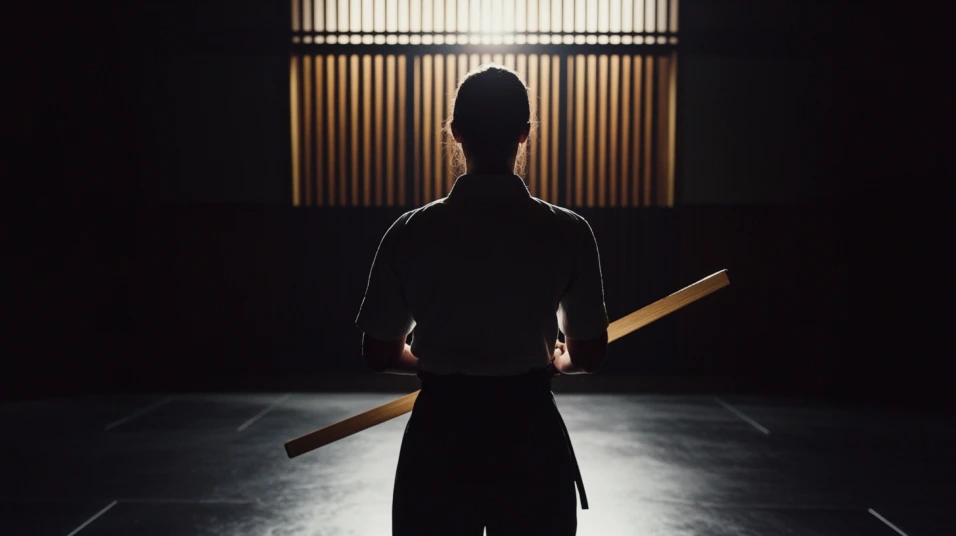
Aikido, a beautiful and fluid martial art, is practised by enthusiasts all over the world for its focus on harmony, patience, and grace. If you’re new to Aikido or considering joining a dojo, you might be wondering about the equipment required to get started. Unlike some other martial arts, Aikido doesn’t require a vast array of complex gear, but there are a few essential items that you’ll need. In this article, we’ll guide you through the essential Aikido equipment you need, explain the purpose behind each piece, and discuss how to choose the right products for your needs.
Essential Aikido Clothing
Aikido practitioners typically wear specific clothing items designed to facilitate movement and absorb the impact of techniques. Let’s look into these clothing essentials:
The Aikido gi: A beginner’s necessity
For any martial artist, the “gi” forms the basis of their uniform. In Aikido, wearing a gi is not just tradition but a functional necessity. It allows for the freedom to move and safely practice the art’s various locks and throws. The gi is typically composed of durable cotton or canvas, designed to withstand the rigours of training.
The standard Aikido gi consists of:
- Keikogi (jacket): It is thicker than gi tops used in non-grappling martial arts to endure the tension of grabs and throws. A robust weft weave is recommended.
- Zubon (trousers): Equipped with reinforced knees to handle the frequent kneeling movements.
- Obi (belt): Traditionally white for beginners. As you progress, the belt colour may change based on the dojo’s specific ranking system.
Choosing the right gi
When selecting a gi, consider:
- Material: Opt for natural fibres like cotton. These offer breathability and comfort, reducing the risk of skin irritation.
- Weight: Lighter gi are often preferred by beginners due to their flexibility and ease of movement.
- Fit: Ensure your gi fits comfortably, allowing all-around free movement.
The Hakama: Understanding its significance
While beginners usually start with just a gi, the hakama is an integral part of Aikido apparel, typically introduced as students progress. This wide-legged pleated skirt/trousers is traditionally worn by advanced practitioners and instructors.
Symbolism and practicality of the hakama
The hakama is steeped in tradition, symbolising various moral virtues such as honour and integrity. In practical terms, it masks leg movements, teaching students to increase awareness and improve balance.
When to wear a hakama
The decision to wear a hakama often varies between dojos. It’s usually bestowed upon practitioners who have attained a certain degree of proficiency, reflecting their higher skill level.
Additional Aikido Equipment
While clothing is fundamental, some additional equipment can enhance your training and complement your Aikido practice:
Jo: The wooden staff
The Jo staff is an essential Aikido weapon, used for forms called “kata” and interactive Aikido drills. It helps practitioners develop distance control and enhance their tactical skills.
Jo selection tips
- Material: Hardwood materials such as white oak provide durability and balance.
- Length and weight: Standard length is approximately 127 cm. Choose one that offers a balance between control and reach.
Bokken: The wooden sword
The bokken is an imitation sword used in training to simulate real encounters without risking injury. It’s integral to preserving the martial art’s sword-fighting techniques.
Finding the right bokken
- Quality wood: Select durable materials like red or white oak.
- Balance: Look for a bokken with good weight distribution.
Tanken: The wooden dagger
The tanken introduces short-range weapon techniques and helps improve close-combat skills.
Choosing a tanken
- Durable wood: Ash and hickory are recommended for their strength.
- Comfortable grip: Ensure it is easy to hold and manoeuvre.
Selecting and Caring for Your Equipment
Once you have acquired the necessary equipment, ensuring their longevity requires proper care:
Cleaning the gi and hakama
- Regular washing: After each session, wash your gi in cold water to maintain fabric integrity.
- Avoid bleach: It weakens fibres and may cause discoloration.
- Iron carefully: If necessary, using low heat preserves the material.
Maintaining wooden weapons
- Oiling: Apply natural oil frequently to prevent desiccation and cracking.
- Storage: Store in a dry place to prevent warping.
Scientific Backing on Regular Practice Tools
Research suggests that practising martial arts can lead to improved mental health (Source: Frontiers in Psychology). Proper equipment ensures safe and effective practice, fostering these mental health benefits.
Summary
Embarking on the journey of Aikido is both an exhilarating and fulfilling adventure. Preparing well with the right equipment ensures a positive start and supports your progression in the art. Whether it’s selecting a durable gi or understanding the significance of a hakama, each step in gearing up is an exciting milestone. Remember, the right equipment not only aids your practice but also enriches your Aikido experience, making every session both enjoyable and enlightening.
Frequently asked questions
What should a beginner have for their first Aikido class?+
A beginner’s kit typically includes a suitable fitting gi and belt. Other gear such as the hakama or weapons is required later on in training.
How do I choose the right size gi?+
Check the manufacturer’s sizing chart for height and weight guidelines. Opt for a fit that allows for free throat-and-arm movements without excess lounging.
What material should my Aikido weapons be made of?+
Choose hardwood options for durability. Common woods used include white oak for Jo and bokken, and hickory for tanto.
When should I start wearing a hakama in Aikido?+
This varies with each dojo, but students typically start wearing a hakama after gaining proficiency, evidencing a certain rank or understanding level.
How often should I clean my Aikido gi?+
Regular cleaning is advised post-training to maintain hygiene and textile longevity. Follow cleaning instructions for best results.