
Common misconceptions about Aikido
World Aikido Yoga
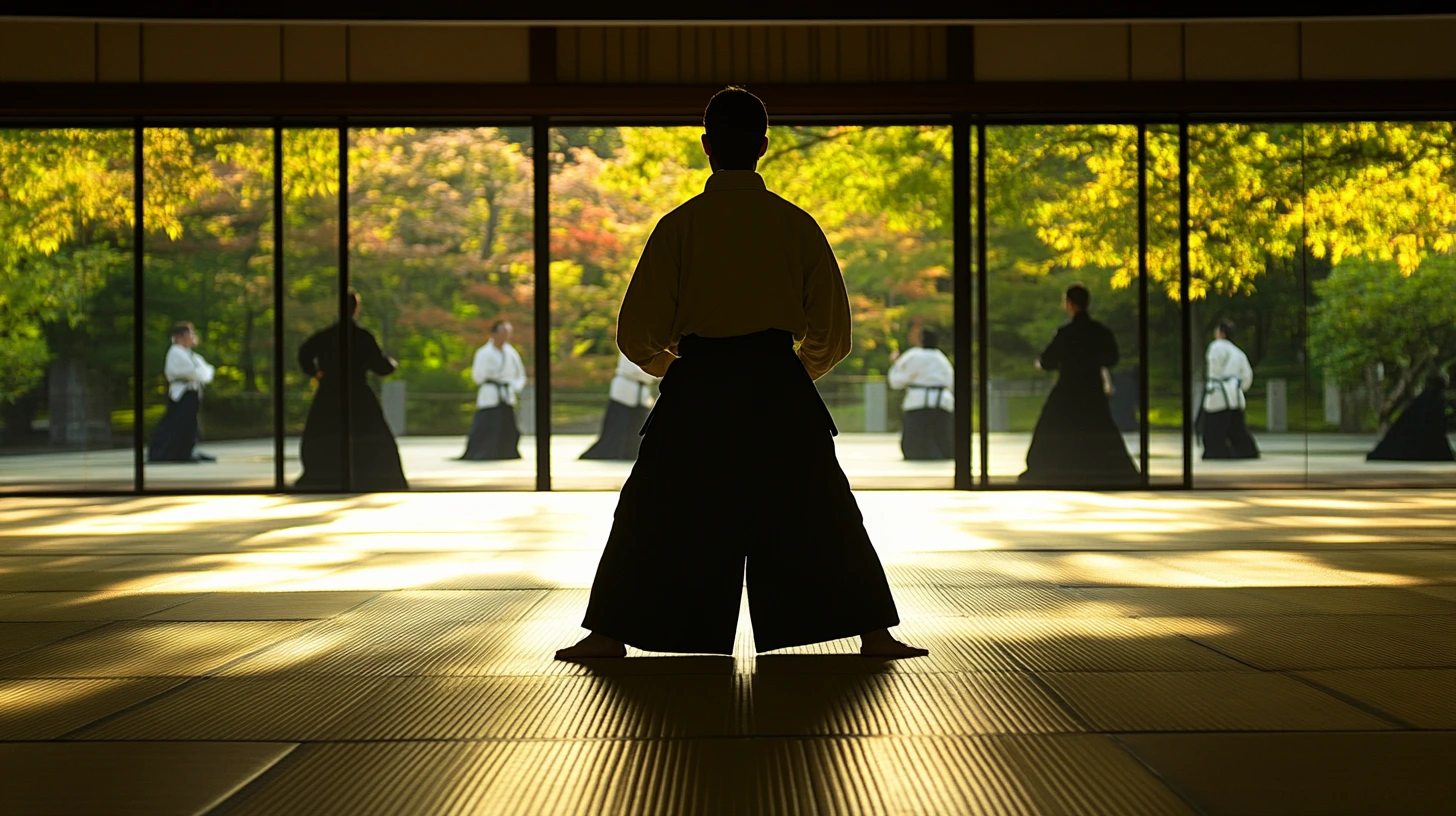
Aikido, a Japanese martial art form profoundly rooted in harmony and self-defence, often faces a myriad of misconceptions. These misunderstandings can be barriers to appreciating the true value of Aikido in personal growth, fitness, and wellness. In this blog post, we’ll unravel these common misconceptions and explore the truths behind them, demonstrating how Aikido fosters a holistic pathway to health, self-awareness, and peace.
Misconception: Aikido is ineffective for self-defence
Understanding Aikido’s approach to combat
A common belief is that Aikido’s techniques, focusing on redirecting an opponent’s energy rather than confronting it directly, render it ineffective in a real combat scenario. However, Aikido is designed to subdue attackers without causing them injury. Its effectiveness lies in its philosophy, which highlights self-control and presence of mind. Aikido practitioners learn to handle aggression with calm and precision, which can be invaluable in chaotic, real-life situations.
Practical evidence of Aikido’s effectiveness
For example, many police forces incorporate Aikido techniques because they offer non-aggressive methods to control and handle suspects. The effectiveness of Aikido in self-defence is not about overpowering, but about yield and redirection.
Misconception: Aikido lacks fitness benefits
Physical conditioning through Aikido practice
Aikido may appear less strenuous compared to martial arts that emphasise strength and endurance blitzes; however, it provides excellent cardiovascular conditioning and muscle toning. Practicing Aikido involves dynamic movements, ukemi (falling and rolling techniques), and repetitive drills that improve flexibility, balance, and core strength.
Holistic development and coordination
Aikido emphasises the synchronisation of movement, which enhances bodily awareness and coordination. The balanced, flowing techniques work on large muscle groups and refine motor skills, contributing to overall fitness and vitality.
Misconception: Aikido is solely for self-defence
Aikido as a path to inner peace
While self-defence is a component, Aikido also stresses self-improvement. The very name Aikido translates to “the way of harmony,” emphasising peace over combat. Practitioners often find the meditation aspect of the art helps in achieving mental clarity and emotional well-being.
Combination with Yoga and Meditation
Aikido pairs well with Yoga and meditation, creating a trifecta of physical, mental, and emotional balance. Yoga can improve flexibility needed for Aikido, and meditation can enhance the focus required for both.
Misconception: Aikido is too gentle for martial arts enthusiasts
Complexity hidden in simplicity
Those seeking high-adrenaline combat might overlook Aikido, perceiving its movements as too gentle. Yet, beneath the fluid movements lies a profound tactical complexity. The precision control required for something like the kote-gaeshi (wrist twist) demands tremendous skill and willpower to execute effectively.
Challenge and discipline
Aikido requires strict discipline and continuous practice to master. This dedication builds resilience, patience, and strategic thinking—traits valued in any martial arts practitioner.
Misconception: Aikido doesn’t teach competitiveness
Focus on personal growth over competition
Aikido is non-competitive; it encourages practitioners to improve themselves without comparing with others. This philosophy can be particularly appealing to those interested in personal development and finding balance over constant competition.
Suitability for diverse groups
This approach massively increases inclusivity, offering a welcoming environment to individuals of varying ages, genders, and fitness levels. Aikido focuses on self-discipline and respect, making it ideal for everyone.
Summary
Aikido is often misunderstood, with its peaceful philosophy mistaken for ineffectiveness. However, this beautiful martial art offers profound benefits in self-defence, physical fitness, and personal growth. By integrating Aikido with practices like yoga and meditation, practitioners can enjoy a holistic approach that nurtures mind, body, and spirit. Understanding this can lead to a greater appreciation and perhaps inspire more individuals to explore Aikido’s enriching path to wellness and self-discovery.
Frequently asked questions
Is Aikido effective for street self-defence?+
Aikido provides techniques that can be effective in neutralising threats without resorting to violence. It emphasises awareness and strategic thinking that are invaluable in managing real-world confrontations.
Can Aikido aid in stress relief?+
Absolutely. The meditative practices integrated within Aikido help cultivate a calm mind, which can reduce stress and its associated health impacts.
How does Aikido differ from other martial arts?+
Unlike many martial arts that rely on striking or competitive sparring, Aikido focuses on harmony and blending with an opponent’s energy to neutralise threats.
Is Aikido suitable for children?+
Yes, Aikido is excellent for children as it teaches discipline, respect, and non-aggressive conflict resolution, alongside improving physical coordination and confidence.
How long does it take to become proficient in Aikido?+
Proficiency in Aikido varies by individual commitment and consistency. Regular practice over several years is typically needed to achieve advanced proficiency and understanding.