
Children's Aikido: building skills and character
World Aikido Yoga
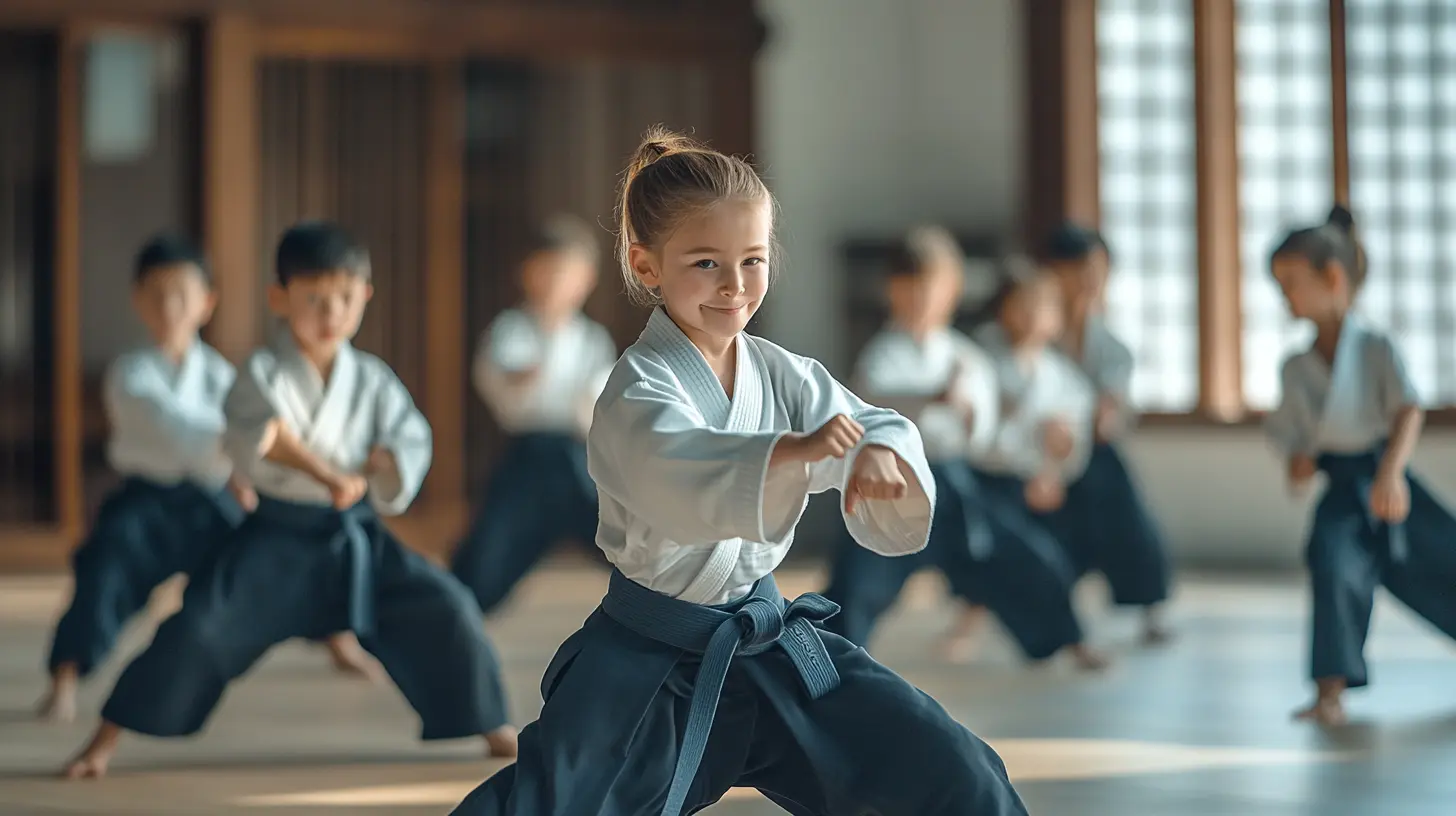
Aikido, an ancient martial art developed in Japan, is often perceived as a form solely for adults or those interested in martial prowess. However, it has been adapted remarkably well for children, offering a unique blend of physical activity, mental discipline, and ethical education. Engaging your children in Aikido not only teaches them self-defence but also helps cultivate essential life skills and character traits that will benefit them throughout their lives.
The foundation of children’s aikido
Aikido, derived from the words “ai” (harmony), “ki” (energy), and “do” (way), offers children a holistic approach to physical and mental development. The practice doesn’t rely on physical strength but rather emphasises using an attacker’s energy to neutralise threats, making it suitable for participants of all abilities and sizes.
Understanding the principles of aikido
Aikido’s foundational principles revolve around harmony, self-control, and fluidity of movement. These elements get translated in children’s classes into teachable moments beyond physical techniques. Kids learn to blend with the force of an attack rather than meeting it directly with force. This principle can help them understand the importance of empathy and finding peaceful solutions to conflicts.
Aikido’s gentle approach
Unlike many martial arts that rely on striking techniques, Aikido focuses on joint locks and throws, allowing for a gentle and controlled environment suitable for children. This non-aggressive approach reduces the risk of injury while engaging in practice, making it an ideal choice for young learners.
Physical benefits of aikido for children
Aikido not only helps in developing self-defence skills but promotes overall physical health. Through regular practice, children enhance their balance, flexibility, and agility – critical elements for any physical activity.
Improved coordination and balance
Aikido techniques emphasise precise body movements and spatial awareness. Children learn how to move their bodies efficiently and effectively, improving their overall coordination and balance in daily activities.
Building strength and endurance
Though Aikido doesn’t use brute strength, it builds core strength and endurance in children. The repetitive practice of techniques contributes to muscle development and cardiovascular health, encouraging an active, healthy lifestyle.
Character development through aikido
Beyond physical growth, Aikido is instrumental in nurturing character development in children. Through the principles and practice of Aikido, several core values become ingrained in young practitioners.
Developing respect and discipline
Respect is a cornerstone of Aikido. Children learn to respect themselves, their peers, and their instructors. They learn to bow respectfully before entering the dojo, demonstrating mindfulness and adherence to tradition. This respect extends beyond the dojo into daily interactions, fostering a culture of discipline and consideration.
Boosting confidence and self-esteem
As children master Aikido techniques, their confidence grows, which empowers them in other facets of life. Achieving proficiency gives them a sense of accomplishment, enhancing their self-esteem and providing the courage to tackle new challenges confidently.
Learning patience and perseverance
Aikido requires consistent practice and patience. Children learn that mastery doesn’t come overnight and requires dedication and hard work. This perseverance translates into other areas of their lives, helping them pursue personal and academic goals persistently.
Social development in children’s aikido
Aikido fosters social interaction and collaboration among children. In the dojo, they partner with peers, learning invaluable social skills that facilitate harmonious relationships both inside and outside the training environment.
Promoting teamwork and communication
Aikido practice involves working with partners to learn techniques effectively. Through cooperative drills, children enhance their communication skills and learn to work together as a team, which is integral to both personal and professional future engagements.
Building empathy and understanding
Children learn to appreciate different physical abilities and face interactions with empathy. This understanding nurtures respectful connections and appreciation of diverse perspectives, preparing them for a multicultural society.
Summary
Children’s Aikido is more than a martial art; it’s a nurturing environment where skills and character development intertwine seamlessly. By engaging in Aikido, children learn valuable life skills such as respect, perseverance, and empathy. The practice enhances their physical health, builds self-esteem, and prepares them to tackle life’s challenges harmoniously. Offering children this opportunity to grow in a supportive community through Aikido can have lifelong benefits, helping to shape them into balanced, considerate individuals.
Frequently asked questions
Is aikido safe for children?+
Yes, Aikido is considered safe for children when practiced under the guidance of certified instructors in a controlled environment. The techniques emphasise non-aggressive movements and are taught progressively to suit children's development.
What age can children start aikido?+
Children as young as 7 to 12 years old can begin Aikido classes, focusing initially on basic movements, coordination, and discipline. The complexity of techniques increases as they grow older and more proficient.
How does aikido compare with other martial arts for children?+
Aikido's non-competitive, non-aggressive approach makes it distinct from more combative martial arts. It suits children who might be intimidated by high-impact sports, focusing instead on harmony and balance.
Does aikido train children for self-defence?+
While Aikido focuses on self-defence techniques, its primary aim is to teach children peaceful conflict resolution and self-awareness, which are critical for avoiding physical confrontations.
Can aikido help children with special needs?+
Yes, Aikido's adaptable teaching methods and emphasis on inclusive participation make it an excellent option for children with varying needs and abilities. It encourages social engagement and builds self-confidence.