
Balancing strength and softness in Aikido
World Aikido Yoga
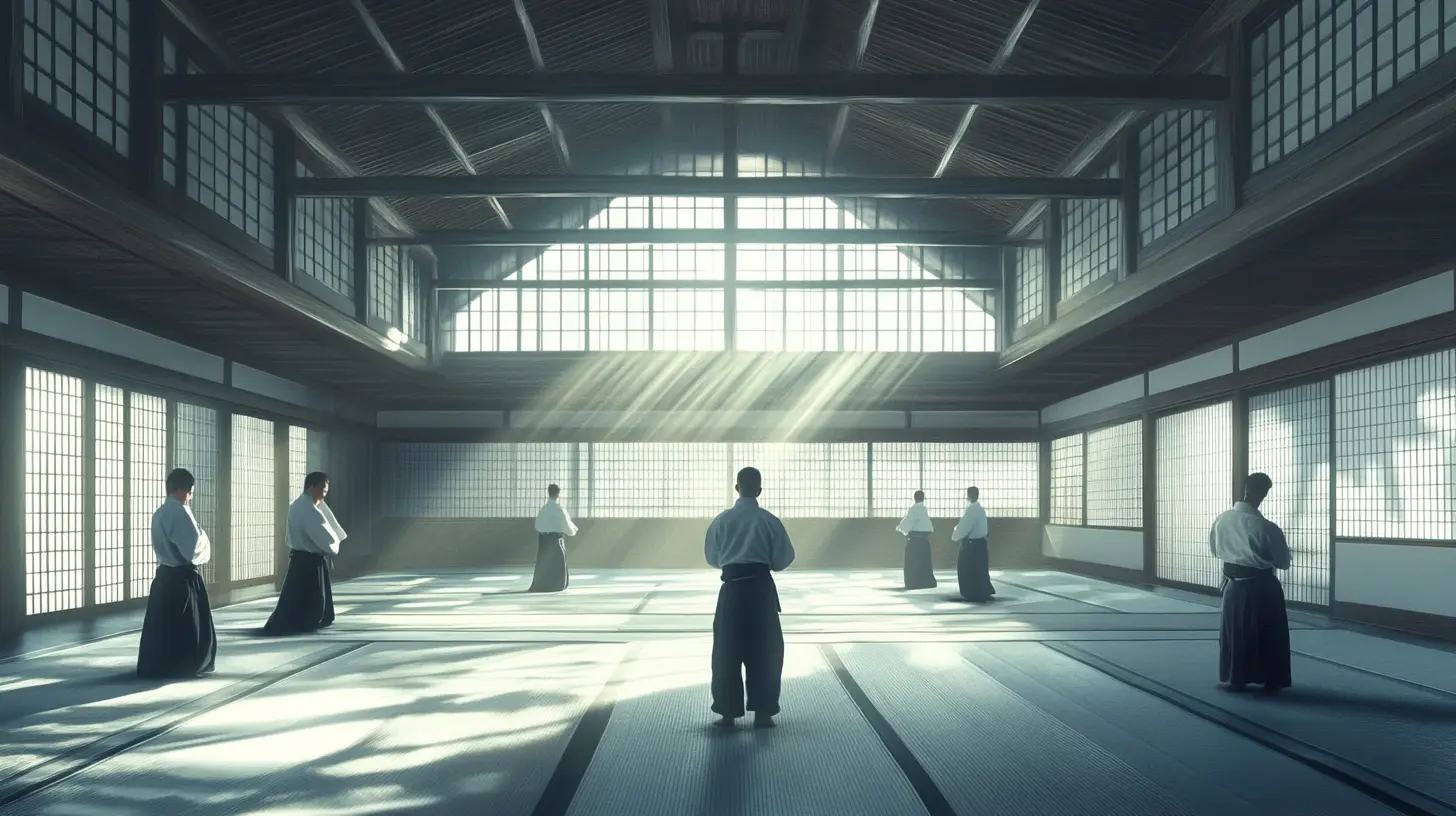
Aikido, a modern Japanese martial art developed by Morihei Ueshiba in the early 20th century, uniquely blends physical discipline with philosophical principles. At its core, Aikido emphasizes the harmonious integration of strength and softness, offering insights beyond mere physical practice. In this article, we delve into how Aikido balances these elements and why this balance is crucial for holistic development.
The philosophy of balance in Aikido
Aikido’s philosophy is built on the principle of harmony, encouraging practitioners to find peace within themselves and with their environment.
Understanding Aikido’s roots
Aikido is influenced by various martial arts and Japanese philosophies, distinguishing it from combat-oriented practices. Its founder, Morihei Ueshiba, embraced the concept of peaceful conflict resolution, derived from Shinto and Zen beliefs. He envisioned Aikido as a way to cultivate mind-body harmony, fostering spiritual growth alongside physical prowess.
The art of blending
Aikido’s techniques avoid direct confrontation. Instead, practitioners learn to blend with their opponent’s energy, redirecting it harmlessly. This requires mastering the art of sensitivity and timing, critical aspects of developing both softness and strength. By practising this art of blending, Aikidoka learn to adjust their response to varying situations, creating a balance between assertiveness and receptivity.
Aikido techniques: Strength and softness in practice
The effectiveness of Aikido lies in its techniques, which marry strength with relaxation.
Dynamic movements
Aikido employs circular and spiral movements to neutralise attacks, requiring precise control, fluidity, and agility. Techniques such as shiho-nage and irimi-nage exemplify the balance between power and softness, as practitioners must maintain a relaxed state while executing powerful throws. This contrasts with other martial arts that tend to focus on forceful strikes or blocking techniques.
Ukemi: The art of receiving
Central to Aikido is the practice of ukemi, or falling safely. Ukemi trains practitioners to adapt quickly to changing situations, enhancing flexibility and resilience. By learning to fall, Aikidoka cultivate softness, allowing their bodies to absorb and dissipate energy, which is a crucial aspect of mastering techniques without relying on brute force.
The psychological aspect of Aikido
The mental discipline in Aikido complements its physical practices, fostering emotional intelligence and stress management.
Cultivating a peaceful mindset
Aikido encourages practitioners to maintain calmness and clarity in the face of conflict. This approach nudges individuals towards introspection, promoting self-awareness and emotional control. The art of staying centred, regardless of external pressures, nurtures both mental fortitude and softness, enabling balanced decision-making in high-pressure situations.
Non-resistance and adaptability
Aikido’s philosophy of non-resistance is pivotal in teaching flexibility. By being adaptable, practitioners can manage stress and resolve conflicts without aggression. This adaptability extends beyond the martial sphere into personal and professional lives, fostering more harmonious relationships and improved problem-solving abilities.
The role of yoga and meditation in Aikido
While Aikido itself is a holistic discipline, incorporating yoga and meditation can enhance the balance of strength and softness.
Yoga for physical and mental harmony
Yoga offers complementary benefits to Aikido practitioners by improving flexibility, core strength, and balance. The emphasis on breath control and mindful movements helps convey Aikido’s principles more profoundly. Practising asanas such as Warrior Pose and Tree Pose can enhance body awareness and concentration, crucial qualities for mastering Aikido techniques.
Meditation for focus and inner peace
Meditation aids in cultivating a calm and focused mind, deepening the understanding of Aikido’s philosophy. Regular meditation practice can enhance emotional regulation and foster resilience, vital traits for managing the mental demands of Aikido. Techniques like mindfulness and guided imagery can further support practitioners in aligning mind and body.
The scientific perspective: Balancing physical health
Scientific research supports the integration of physical, mental, and emotional elements in martial arts training, including Aikido.
Boosting well-being through Aikido
Aikido training offers myriad health benefits, including cardiovascular fitness, muscle toning, and improved flexibility. Scientific studies indicate that martial arts can reduce symptoms of anxiety and depression, promoting overall well-being. Aikido’s emphasis on balance contributes to better posture, coordination, and injury prevention (source: NCBI).
Neuroscience of movement and mindfulness
Research shows that the combination of movement and mindfulness, intrinsic to Aikido, can enhance brain function and neuroplasticity. Practices like Aikido stimulate brain regions related to memory, attentiveness, and emotional control, offering protective benefits against cognitive decline (source: Harvard Health).
Summary
Aikido offers a unique pathway to balance strength and softness, giving practitioners the tools to navigate life’s challenges with grace and resilience. By integrating complementary practices like yoga and meditation, Aikidoka can enhance their physical, mental, and emotional well-being, achieving a harmonious state. As a practice, it highlights the importance of balance, not just in the dojo but in every aspect of life. Whether you’re a seasoned martial artist or a newcomer, Aikido invites you to explore the transformative power of harmony and balance.
Frequently asked questions
What are the primary physical benefits of Aikido?+
Aikido enhances flexibility, strength, cardiovascular fitness, and overall body coordination. Through regular practice, individuals can improve their balance and posture and reduce injury risks.
How does Aikido differ from other martial arts?+
Unlike martial arts focused on combat, Aikido prioritises harmony and conflict resolution. Its techniques are designed to neutralise attacks by redirecting energy rather than through sheer force or aggression.
Can anyone practise Aikido?+
Aikido is inclusive, welcoming practitioners of all ages and fitness levels. It is adaptable, allowing individuals to progress at their own pace while honing physical and mental skills.
How is meditation integrated into Aikido practice?+
Meditation complements Aikido by improving focus, emotional regulation, and inner peace. Practicing mindfulness and breath control can support Aikidoka in mastering the art of staying centred.
How does Aikido contribute to stress management?+
By balancing physical exertion with relaxation techniques, Aikido helps manage stress and anxiety. Its philosophy of non-resistance encourages adaptability, fostering a calmer response to life's challenges.