
Assessing your progress in Aikido
World Aikido Yoga
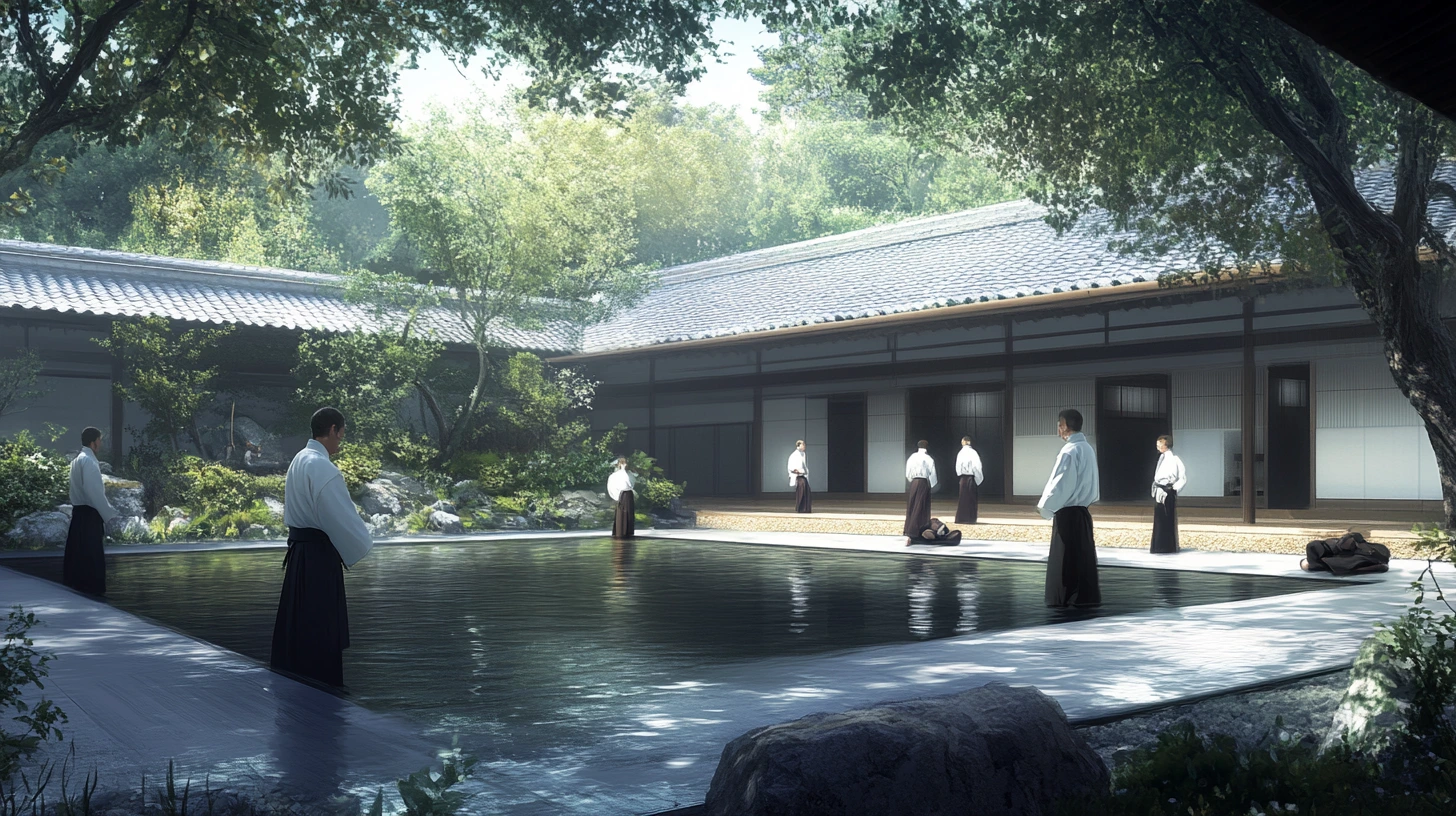
In the journey of Aikido, a modern martial art known for its graceful techniques and philosophy of harmony and self-defence, one of the most crucial aspects is assessing your own progress. Whether you are a beginner stepping onto the tatami for the first time or an experienced practitioner refining your skills, understanding and evaluating your growth in Aikido is both challenging and rewarding. Progress in Aikido, unlike in many other disciplines, is not always linear or easily measured by physical milestones. Instead, it is deeply personalised, influenced by your mental, physical, and spiritual development.
Understanding the path of Aikido progress
The philosophy behind Aikido advancement
Aikido is rooted in the principle of unequivocal self-improvement. While the art has gradings and ranks to mark certain achievements, the true essence of advancement lies beyond belts and degrees. Progress in Aikido is linked with the development of character, mindfulness, and the ability to remain calm under pressure. This focus aligns with Maslow’s hierarchy of needs, where self-actualisation and transformation play pivotal roles.
Physical development through Aikido
Aikido training involves improving flexibility, strength, and coordination. Initially, practitioners help enhance these physical abilities through repetitive practice of techniques such as rolls, falls, and throws. Scientific research supports structured physical training for improved musculoskeletal health. Over time, you will notice an increase in endurance and stability, reflecting your physical growth.
Mental and emotional growth
Practicing Aikido demands significant mental discipline. You need to focus on the present moment, understand the philosophy of harmonising with your partner, and control emotions. The continuity in training fosters resilience and emotional intelligence, enabling practitioners to handle stress and challenges in both dojo and daily life. Aikido helps sharpen cognitive functions, a point highlighted in several cognitive psychology studies.
Methods to assess your Aikido progress
Self-reflection and journaling
Maintaining a training journal is an effective way to map your growth. Reflecting on daily sessions and jotting down thoughts on what worked and what didn’t, or how a particular technique felt can highlight your journey in Aikido. Journals serve as a long-term record of your progression and provide insights into your evolving understanding of Aikido.
Feedback from instructors and peers
Constructive feedback is vital. Instructors offer a wealth of experience and insights into your strengths and areas for improvement. Engaging with peers in this dialogue also exposes you to diverse perspectives on technique application and Aikido principles. Feedback helps you correct mistakes early and deepen your understanding of techniques.
Utilising mindfulness in Aikido practice
Embracing the meditative aspect of Aikido
Aikido shares common ground with both Yoga and meditation, as all three emphasise the importance of mindfulness and being present. By incorporating mindfulness techniques, such as breath control and conscious movement, you can deepen your practice and better assess your progress. As you become more aware of your movements and the flow of energy, you begin to naturally correct deficiencies and refine your techniques more effectively.
The impact on mental health and wellbeing
Engaging in Aikido with mindfulness can significantly enhance your mental wellbeing. Studies show that martial arts meditative movements reduce stress, anxiety and promote mental clarity. By recognizing these benefits, practitioners can find motivation in their practice, thus encouraging further progression.
Setting achievable goals in Aikido
Short-term vs long-term goals
Defining what you aim to accomplish can be empowering. Short-term goals might include mastering a specific technique or attending a particular number of classes. Long-term goals could extend to achieving a certain belt level or internalising Aikido philosophy deeply. Harnessing the SMART criteria — specific, measurable, achievable, relevant, and time-bound — can assist in creating well-defined goals, guiding your progress effectively.
Celebrating milestones and achievements
Acknowledging every hurdle you overcome and every skill mastered enhances motivation. Your achievements, whether big or small, deserve celebration — it’s evidence of your persistent effort and dedication. Recognising progress reinforces positive behaviour, fostering continuous improvement.
Overcoming challenges in Aikido
Common hurdles in Aikido practice
Aikido, like other disciplines, presents various challenges, such as physical limitations or the struggle to grasp abstract principles. These obstacles require patience and repeated practice to overcome. Acknowledging difficulties is the first step in overcoming them and preventing discouragement.
Strategies to overcome challenges
Adopting a problem-solving mentality is beneficial. Techniques like breaking down complex manoeuvres into simpler parts, visualising successful execution, or seeking additional training sessions can enhance your mastery over challenging aspects. Embracing setbacks as learning opportunities rather than failures redefines your approach to progress.
Summary
Assessing progress in Aikido involves examining physical abilities, mental and emotional growth, and understanding and incorporating Aikido principles into daily life. It transcends belt ranks and physical prowess, encompassing personal development, mindfulness, and harmonious living. By setting achievable goals, embracing challenges, and reflecting on the journey, practitioners continue to grow both on and off the mat, creating a fulfilling and enduring Aikido practice.
Frequently asked questions
How often should I train Aikido to see progress?+
Training frequency varies among individuals, but attending classes at least twice a week is recommended for steady improvement. Consistency is key.
What if I feel stuck in my Aikido progress?+
Feeling stuck is common. To overcome this, seek feedback, adjust training routines, or immerse yourself in Aikido philosophy to gain a fresh perspective.
Can Aikido help in other areas of life?+
Absolutely. Aikido fosters discipline, patience, and resilience. These traits translate into personal growth and improved quality of life.
Is it necessary to achieve higher belts to be considered advanced in Aikido?+
Not necessarily. Although belts signify progress, real advancement is reflected in your comprehension of Aikido's principles and personal development.
How can I balance Aikido practice with other activities?+
Prioritising time management and aligning Aikido sessions with your lifestyle helps maintain balance. Integrating Aikido principles into daily life can also reinforce practice.