
The intersection of Aikido and zen philosophy
World Aikido Yoga
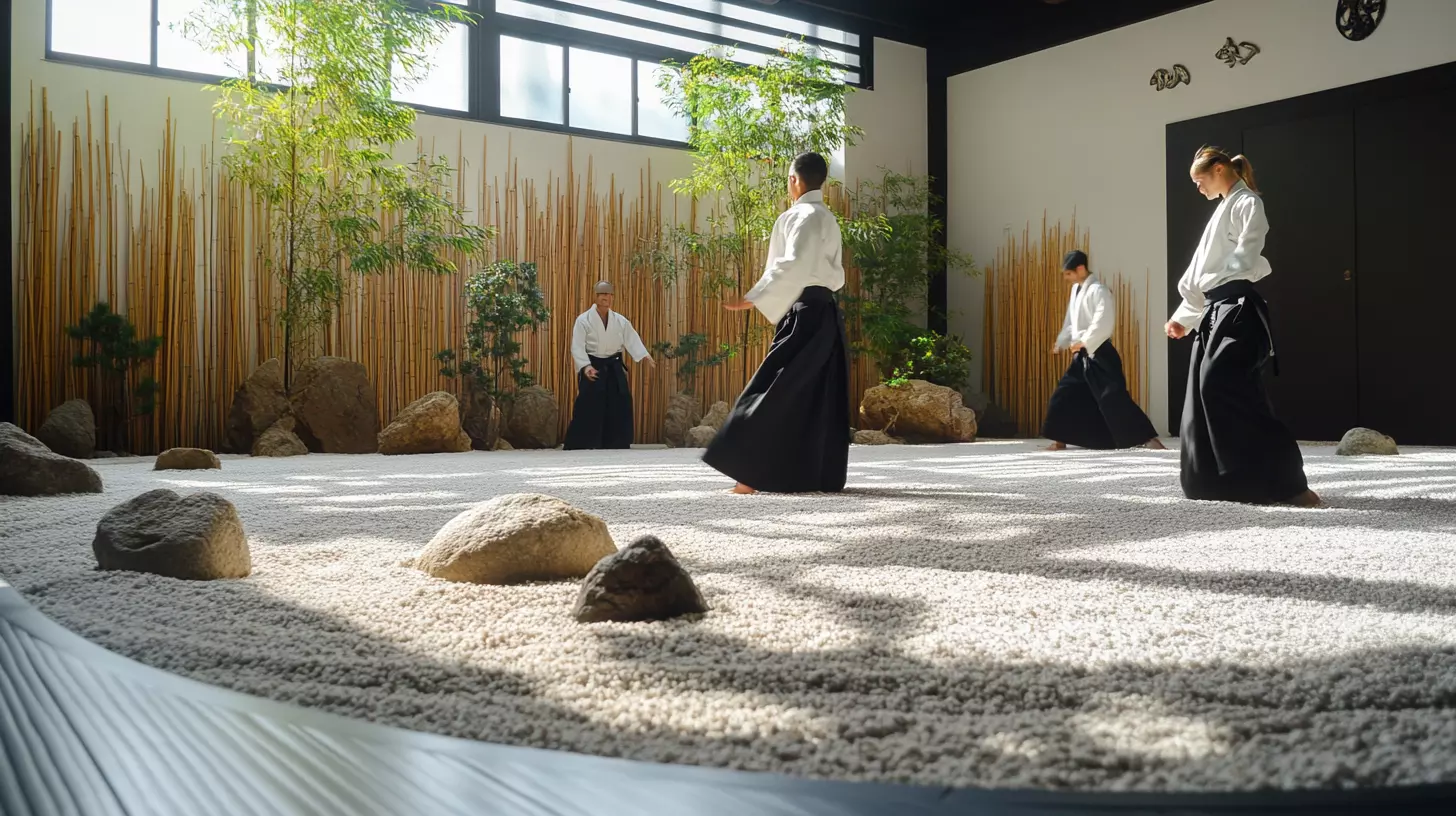
The practice of Aikido, a modern Japanese martial art, offers much more than just self-defence techniques. It’s a rich tapestry woven with threads of tradition, mindfulness, philosophy, and spirituality. One of the key influences on Aikido is Zen philosophy, which has shaped not only its physical movements but also its mental and spiritual aspects. In this article, we delve into the profound intersection of Aikido and Zen philosophy, exploring how these two practices intertwine to promote holistic health and wellbeing.
Understanding Aikido as a martial art
The origins and principles of Aikido
Aikido, meaning “the way of harmonious spirit,” was developed by Morihei Ueshiba, often referred to as O-Sensei, during the early 20th century. Aikido focuses on using an opponent’s energy against them, rather than on direct confrontation or aggression. The core principles of Aikido are balance, harmony, and non-resistance, all of which are influenced by Ueshiba’s deep spiritual and philosophical convictions.
Aikido’s physical and spiritual elements
Aikido isn’t just about mastering a series of techniques; it’s a comprehensive system that integrates physical agility with spiritual prowess. The fluidity of movements in Aikido is designed to cultivate discipline, focus, and inner peace, encouraging practitioners to develop a harmonious relationship with both their inner selves and the world around them.
An introduction to Zen philosophy
The essence of Zen
Zen is a school of Mahayana Buddhism that emphasises meditation and intuition rather than ritual worship or study of scriptures. Originating in China, Zen Buddhism spread to Japan, where it profoundly influenced Japanese culture and spirituality. It promotes living in the moment with a focus on inner peace and simplicity, free from material attachment and the distractions of thoughts.
Zen principles in daily life
Zen implores individuals to embrace mindfulness, self-awareness, and acceptance of the present moment. By fostering a tranquil, clear mind, Zen helps practitioners remain calm and centred, regardless of external circumstances. Meditation is a central practice, allowing individuals to achieve a state of ‘Zanshin,’ or complete awareness and relaxation.
The synergy between Aikido and Zen
Shared values and philosophies
Both Aikido and Zen share foundational ideals that underpin their practices. The pursuit of harmony and balance is central to both, as is the development of mindfulness. Aikido employs these Zen principles through its emphasis on non-violence and redirecting an opponent’s energy.
Application in practice
Zen philosophy encourages practitioners to approach Aikido practice with a mindful presence. Each movement in Aikido becomes a meditative practice, ensuring body and mind are synchronized. Through this, Aikido serves as a dynamic and physical form of meditation, fostering inner tranquility and mental clarity.
Health and wellbeing benefits
Mental health enhancements
By incorporating Zen principles into Aikido practice, individuals can experience a significant improvement in mental health. Aikido teaches practitioners how to manage stress, develop resilience, and foster a positive mindset. Engaging with Zen mindfulness helps diminish anxiety and depression by promoting peace and acceptance.
Boosting physical health
The fluid, circular movements of Aikido help improve flexibility, balance, and coordination. When combined with the calmness and focus cultivated through Zen, practitioners can perform actions with increased efficiency and grace. Additionally, regular practice may improve cardiovascular health and build strength.
Spiritual growth and self-awareness
For many, the combination of Aikido and Zen becomes a lifelong journey that fosters spiritual growth and a deeper understanding of oneself. Practicing Zen’s meditative techniques while engaged in Aikido can lead to increased self-awareness and personal insights, further enhancing one’s martial and spiritual journey.
The role of meditation in this intersection
Meditation techniques in Aikido
Meditation in Aikido can take many forms, from sitting meditations to active, movement-based meditations. These practices help enhance focus and deepen awareness, allowing individuals to practice Aikido with complete presence of mind.
Adopting a Zen mindset
Embracing a Zen mindset within Aikido practice means letting go of ego-driven responses and focusing instead on the flow of energy and the rhythm of movements. By releasing expectations and judgments, practitioners can experience the full spectrum of meditative benefits.
Testimonials and experiences from practitioners
Voices of the Aikido community
Countless practitioners have shared testimonials about how integrating Zen philosophy into Aikido has transformed their lives. Many speak of newfound calmness, enhanced self-confidence, and a sense of unity with their surroundings. This transformation underscores the profound impact of blending Aikido with Zen.
Case studies
Case studies of Aikido practitioners further illustrate the tangible benefits of this intersection. For example, individuals with high-stress professions have found stress relief and improved focus, while others have discovered a path to emotional healing and personal empowerment.
Practical steps to integrating Aikido and Zen
Starting with meditation
For those new to the integration of Aikido and Zen, starting with basic meditation techniques can be beneficial. Incorporating a daily meditation practice helps establish a foundation for mindfulness and presence, creating a seamless transition into Aikido training.
Finding a supportive community
Joining a community or a dojo that shares a commitment to both Aikido and Zen can provide valuable support and camaraderie. These environments encourage shared learning, spiritual growth, and personal development, promoting a holistic approach to martial arts practice.
Summary
The intersection of Aikido and Zen philosophy offers a unique blend of physical discipline and spiritual enlightenment. Through shared values of harmony, mindfulness, and non-resistance, practitioners can achieve a balanced synthesis that enhances both martial arts practice and overall wellbeing. Whether you are a seasoned Aikido practitioner or a newcomer, incorporating Zen principles adds immeasurable depth and breadth to your journey, fostering peace, resilience, and a profound connection to the world around you.
Frequently asked questions
How does Zen philosophy enhance Aikido practice?+
Zen philosophy enhances Aikido by fostering mindfulness, presence, and acceptance of the present moment. This mindfulness allows practitioners to execute movements with fluidity and precision, creating a more harmonious practice.
Can beginners benefit from combining Aikido and Zen?+
Absolutely. Beginners can experience immense growth by integrating Zen principles early in their Aikido journey. It helps build a strong foundation of focus, resilience, and self-awareness, essential attributes for martial art training.
What meditation practices are suitable for Aikido practitioners?+
Both sitting meditations and moving meditations are beneficial for Aikido practitioners. Techniques like Zazen (sitting meditation) and walking meditation can enhance focus and deeper awareness in martial arts practice.
Is the practice of Aikido purely physical?+
No, Aikido is a holistic discipline that encompasses physical, mental, and spiritual dimensions. Its non-violent philosophy and spiritual undercurrents make it a comprehensive practice beyond mere physical self-defence.
Do all Aikido schools incorporate Zen philosophy?+
Not all Aikido schools have a strong focus on Zen philosophy, as this may vary depending on the dojo's specific values and teachings. However, many do recognise the influence of Zen and incorporate its principles to some degree.