
The spiritual journey of Aikido
World Aikido Yoga
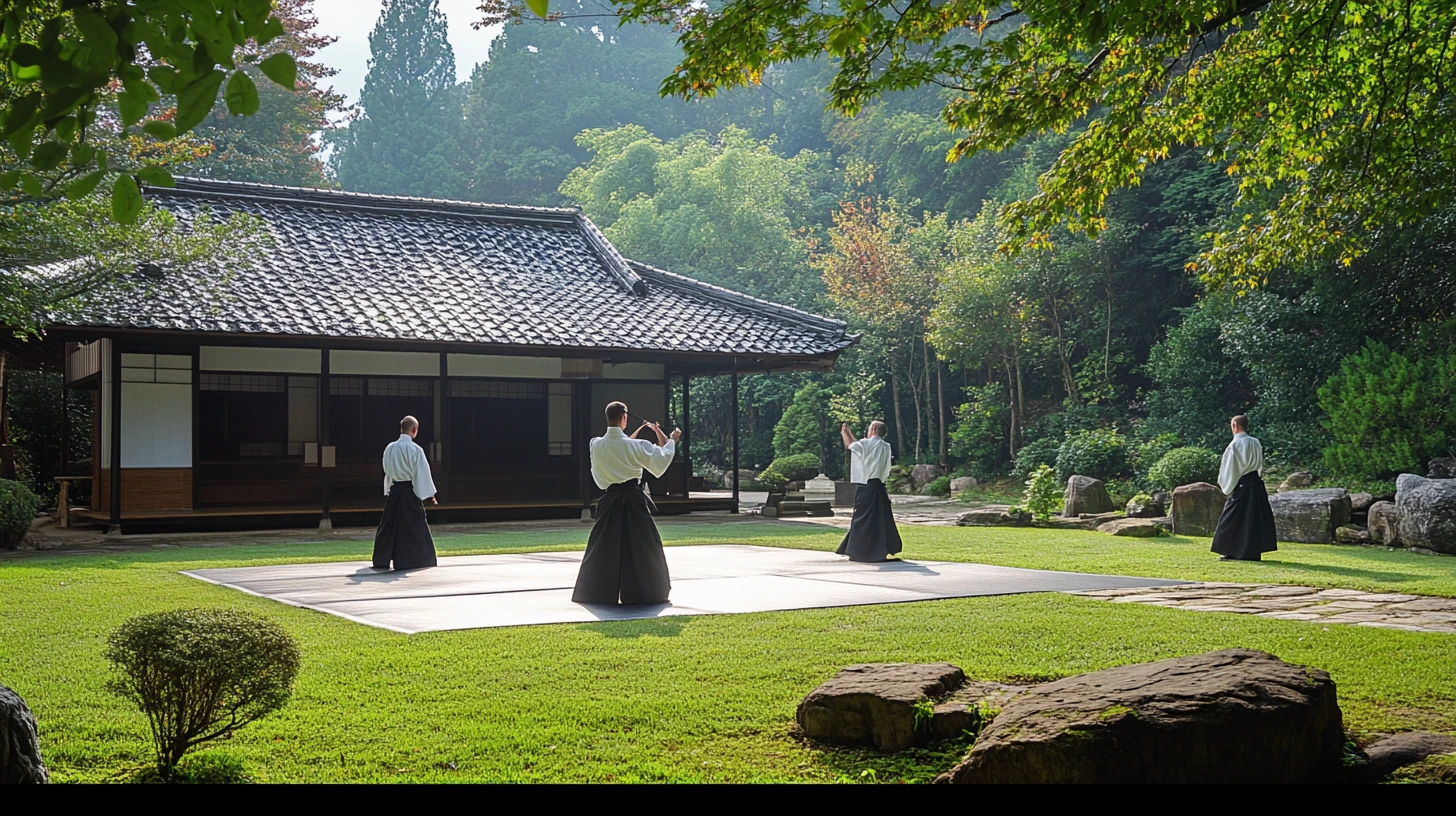
Aikido, a modern Japanese martial art rooted in deep spiritual traditions, is more than just a physical practice. It represents a journey of self-discovery, personal growth, and inner peace. Developed by Morihei Ueshiba in the early 20th century, Aikido blends martial techniques with philosophical insights, focusing on harmonising with opponents rather than confronting them. This approach not only fosters physical proficiency but also nourishes the spirit and cultivates a balanced, resilient mind.
The philosophy of Aikido
Aikido’s foundation lies in the belief that true strength stems not from aggression, but from a peaceful spirit and respect for all living beings. Its name, meaning “the way of harmonising energy,” perfectly encapsulates its core principles. Practitioners, or aikidoka, are taught to redirect and neutralize an opponent’s energy, emphasising non-violence and the protection of the attacker. This ideological framework promotes empathy, compassion, and understanding, making Aikido a transformative practice for both the body and mind.
Mindfulness and presence in Aikido
Central to Aikido’s spiritual journey is the cultivation of mindfulness and presence. Achieving mental clarity and focus enables practitioners to respond to external forces with grace and fluidity. Similar to meditation, Aikido encourages aikidoka to quiet their minds and be fully present during practice. According to studies in neuroscience, mindfulness has been shown to reduce stress, enhance cognitive flexibility, and improve emotional regulation. This makes Aikido not only an effective martial art but also a valuable technique for mental wellness. Source
The role of breath control
Breath control is another vital component of the spiritual aspect of Aikido. Known as Misogi or purification of the spirit, Aikido uses breathing techniques to cultivate inner peace, balance, and energy flow. Controlled, rhythmic breathing strategies help to calm the nervous system, reduce stress levels, and improve concentration. A 2010 study published in ‘Health Psychology’ demonstrated how specific breathing techniques can significantly reduce stress and improve psychophysiological responses. Source
Connection with nature
Aikido practitioners often seek inspiration from nature, recognising its power, balance, and harmony. This connection is deeply embedded in the spiritual journey of Aikido, where adherents are encouraged to find peace within themselves and the world around them. Engaging with the natural environment can lead to significant improvements in mental health and well-being. A study conducted by Stanford University found that individuals who spend time in natural settings exhibit reduced stress levels and increased happiness. This integration of natural mindfulness becomes pivotal in Aikido practice. Source
Practising Aikido outdoors
Engaging in Aikido in outdoor settings can enhance the spiritual experience, as practitioners become attuned to the natural rhythms and energies of the environment. This connection helps deepen their understanding of the principles of harmony and balance, both physically and mentally. The embodiment of nature’s cycles into training can resonate strongly with Aikido’s spiritual journey, fostering a more profound sense of peace and introspection.
The community aspect of Aikido
Community and connection form the backbone of Aikido practice. Practising with others encourages a sense of belonging, support, and mutual growth. The Aikido dojo is more than just a place of training; it is a spiritual sanctuary where practitioners come together to share experiences and learn from one another. The camaraderie experienced in these communities fosters an environment of acceptance and collective growth, cultivating resilience and compassion.
Sharing knowledge and experiences
The shared experience of training with partners enriches the spiritual journey of Aikido practitioners. Through the process of learning together, students develop communication skills, empathy, and patience. This thriving community fosters a culture of shared wisdom, where practitioners gain insights not only from their instructors but also from their peers, enhancing their spiritual and personal development.
Building lasting bonds
The relationships formed in Aikido practice go beyond the confines of the dojo. These bonds often extend into personal lives, creating networks of support and friendship. With a shared commitment to the core principles and philosophies of Aikido, practitioners connect on a deeper level, fostering strong interpersonal relationships that endure over time.
Aikido’s impact on mental health
In addition to its physical and spiritual components, Aikido offers significant mental health benefits. Its emphasis on mindfulness, breath control, and community support provide practitioners with the tools to manage stress, anxiety, and emotional challenges.
Reducing stress and anxiety
Scientific studies have shown that engaging in physical activities like Aikido can reduce anxiety and improve mental wellbeing. A study published in ‘Frontiers in Psychology’ demonstrated how martial arts can significantly decrease anxiety levels, boosting self-esteem and overall mental health. Source
Enhancing emotional resilience
Aikido encourages emotional resilience through its principles of adaptability and fluidity. Practitioners learn to navigate challenges with poise and flexibility, honing their capacity to stay grounded in the face of adversity. This emotional strength is not only beneficial in martial practice but also translates into everyday life, allowing practitioners to handle stress and unforeseen obstacles with greater ease.
Summary
Aikido represents a spiritual journey that transcends its martial roots, offering practitioners a path to inner peace, self-discovery, and personal growth. Through its principles of harmony, mindfulness, and community, Aikido nurtures the spirit, cultivates emotional resilience, and fosters meaningful connections. The art’s holistic approach to wellness and self-improvement makes it a valuable practice for anyone seeking balance and tranquillity in today’s fast-paced world. Whether you’re an experienced martial artist or a newcomer, embracing Aikido’s spiritual journey can lead to profound personal transformation and a deeper connection with the world around you.
Frequently asked questions
What is the spiritual goal of Aikido?+
The spiritual goal of Aikido is to cultivate harmony and balance within oneself and with others. It encourages practitioners to develop inner peace, empathy, and understanding, ultimately striving for a peaceful way of resolving conflicts.
How does Aikido differ from other martial arts spiritually?+
Aikido differs spiritually from other martial arts by focusing on harmonising with an opponent rather than defeating them. It emphasises non-violence, compassion, and the protection of the attacker, promoting personal growth and inner tranquility.
Can practising Aikido help improve mental health?+
Yes, Aikido can improve mental health by promoting mindfulness, reducing stress, and enhancing emotional resilience. Its holistic approach nurtures the mind, body, and spirit, providing a balanced foundation for stress management and mental well-being.
How important is meditation in Aikido practice?+
Meditation plays a crucial role in Aikido, as it helps practitioners develop mindfulness, focus, and mental clarity. By quieting the mind, aikidoka can better respond to external challenges, aligning with the art’s principles of harmony and flexibility.
What role does community play in Aikido’s spiritual journey?+
Community is an integral aspect of Aikido, offering support, camaraderie, and a shared sense of purpose. Practising with others fosters connections, empathy, and collective growth, deepening the spiritual experience and providing a nurturing environment for personal development.