
A day in the life of an Aikido practitioner
World Aikido Yoga
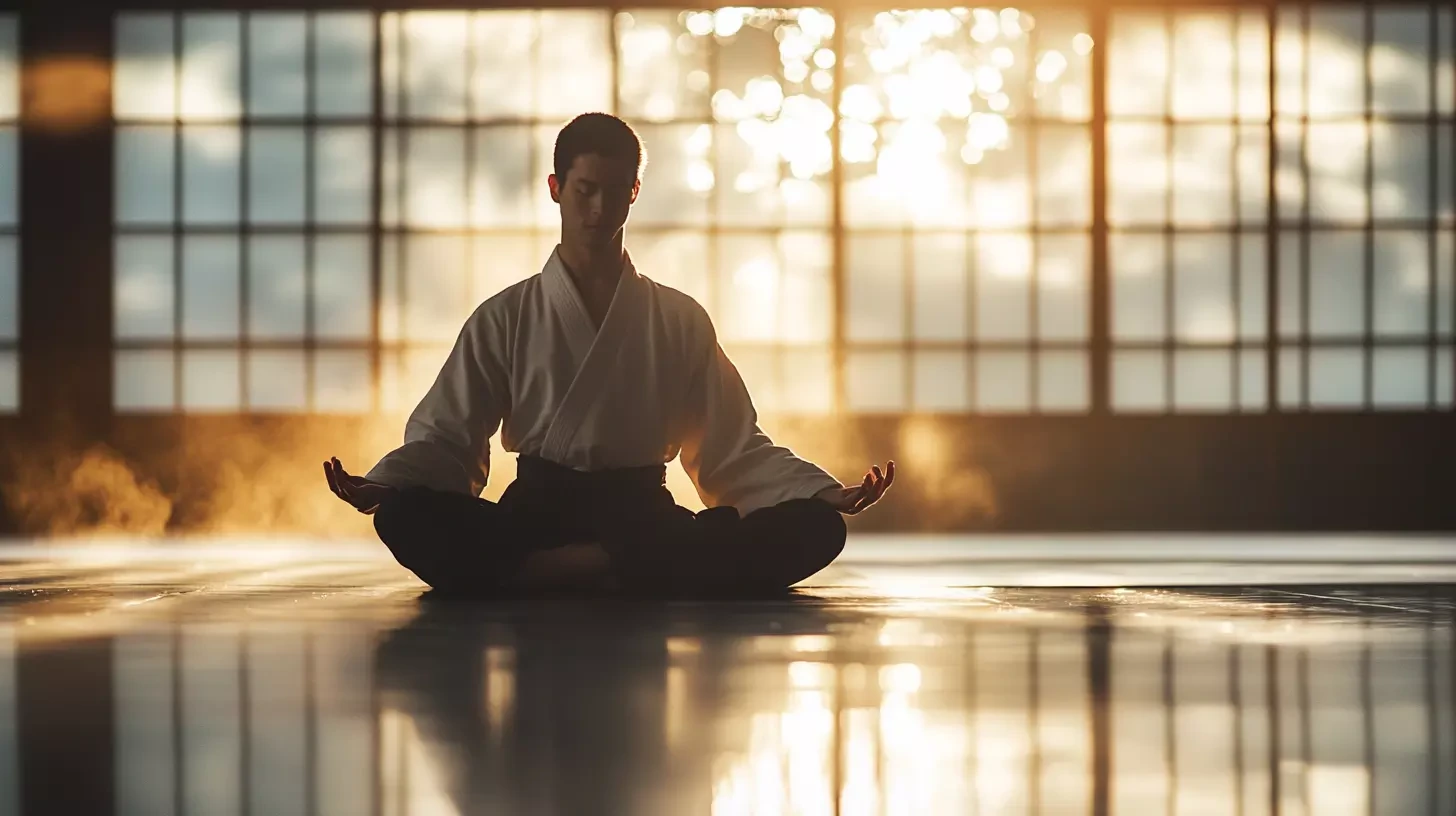
Imagine waking up to a day filled with balance, discipline, and mindfulness. Such is the life of an Aikido practitioner, seamlessly blending the ancient art of Aikido with practices like yoga and meditation to cultivate a wholesome lifestyle. In this article, we take you on a journey through a typical day in the life of an Aikido inhabitant, offering insights into how these practices work in harmony to enhance wellbeing, fitness, and self-defence skills.
Embracing the morning with intention
For an Aikido practitioner, the day begins not with a rush, but with a serene and purposeful start.
Morning meditation
Aikido practitioners often start their day with a meditation session, creating a moment of peace and clarity before engaging with the day’s activities. Meditation is not only essential for mental focus but also aids in reducing stress and anxiety. According to a 2018 study published in JAMA Internal Medicine, mindfulness practices have been linked to enhanced psychological well-being, aligning perfectly with the Aikido philosophy of calmness and control.
Morning yoga routine
Following meditation, a sequence of yoga poses helps to awaken the body. Yoga complements Aikido by enhancing flexibility, balance, and core strength, essential attributes for any martial artist. Poses such as the Warrior series and Tree pose are grounded in strength and balance, which contribute significantly to the physical requirements of Aikido.
Midday training and practice
The heart of an Aikido practitioner’s day is, without doubt, the time allocated for training at the Dojo.
Aikido techniques session
Aikido training is both a physical and mental workout. With dedicated morning or midday sessions, practitioners engage in learning and perfecting techniques. Unlike many martial arts that focus on striking, Aikido emphasizes the flow of motion, utilizing the energy of the opponent. Techniques such as Ikkyo and Shihonage require both mental precision and a honed physical form, fostering a deeper understanding of self-defence and the neutralization of conflict.
Reflective practice and feedback
Reflection is as crucial as physical practice. After sessions, practitioners often engage in a feedback exercise, building on the collaborative and non-competitive ethos of Aikido. This reflection allows individuals to process their experiences, improve their technique, and foster community bonds within the Dojo.
Afternoon interlude and wellbeing
An Aikido practitioner’s afternoon is often a balance between rest, nutrition, and supplementary practices that sustain their training.
Nutrition and recovery
Fueling the body with the right nutrients plays a vital role in sustaining energy and improving overall performance. Practitioners maintain a balanced diet rich in proteins, healthy fats, and carbohydrates to aid recovery and muscle health. Emphasis on hydration is paramount, especially after rigorous physical activity.
Tai Chi or Qigong practice
Powerful yet gentle forms of exercise, like Tai Chi or Qigong, are integrated into an Aikido practitioner’s lifestyle to enhance energy flow and focus. Both practices share principles with Aikido, providing movements that increase vital energy (qi) and promote longevity. A 2019 study from Frontiers in Psychology underscores the beneficial impact of these exercises on mental acuity and emotional equilibrium, making these practices a valuable addition to an Aikido routine.
Evening tranquility and conclusion
As the day winds down, so too does the pace of an Aikido practitioner’s life. Evening time is reserved for relaxation and reflection.
Evening meditation
A second meditation session in the evening helps practitioners transition from the day’s exertions to a peaceful evening. Evening meditations focus on gratitude and reflection, crucial for emotional health and to cultivate a mindset of calm perseverance.
Journaling and planning
Reflecting upon the day’s learnings and setting intentions for the next day is a powerful practice. Journaling can offer insights into progress and serve as a reminder of goals, keeping the practitioner motivated and focused on continuous improvement.
The symbiosis of Aikido, yoga, and meditation
The interplay of Aikido with yoga and meditation creates a synergy that benefits practitioners not just physically, but emotionally and spiritually. Drawing parallels, Aikido’s flowing movements complement yoga’s focus on breathing and postures, while meditation enhances Aikido’s core values of mindfulness and calm reflection.
Summary
A day in the life of an Aikido practitioner is a beautiful blend of discipline, balance, and mindful practice. From the morning’s meditative beginnings through the rigorous midday training sessions and culminating in the evening’s tranquil reflections, Aikido practitioners embody a lifestyle that is holistic and enriching. By integrating yoga and meditation, they cultivate a state of being that transcends mere physical exercise, offering profound benefits for body, mind, and spirit. Whether you’re considering embarking on this path or are simply intrigued by this unique martial art, Aikido offers a journey of lifelong learning and personal growth.
Frequently asked questions
What are the primary benefits of combining Aikido with yoga and meditation?+
Combining these practices enhances overall physical fitness, flexibility, mental focus, and emotional balance, contributing to both wellbeing and effective self-defence.
How often should an Aikido practitioner train?+
Ideally, training sessions should occur a few times a week, complemented by daily yoga and meditation to maintain physical and mental acuity.
Can beginners start training in Aikido without prior martial arts experience?+
Absolutely. Aikido is approachable for individuals of all levels, with classes often tailored to accommodate beginners, focusing on fundamental techniques and principles.
Is there an age limit to practice Aikido?+
There is generally no age limit. Aikido can be modified to suit different ages and fitness levels, making it accessible to children and older adults alike.
How important is diet in an Aikido practitioner’s lifestyle?+
Nutrition is critical for sustaining energy levels, enhancing recovery, and maintaining overall health, thus it is an integral aspect of an Aikido practitioner’s regimen.