
Finding your centre: Aikido as moving meditation
World Aikido Yoga
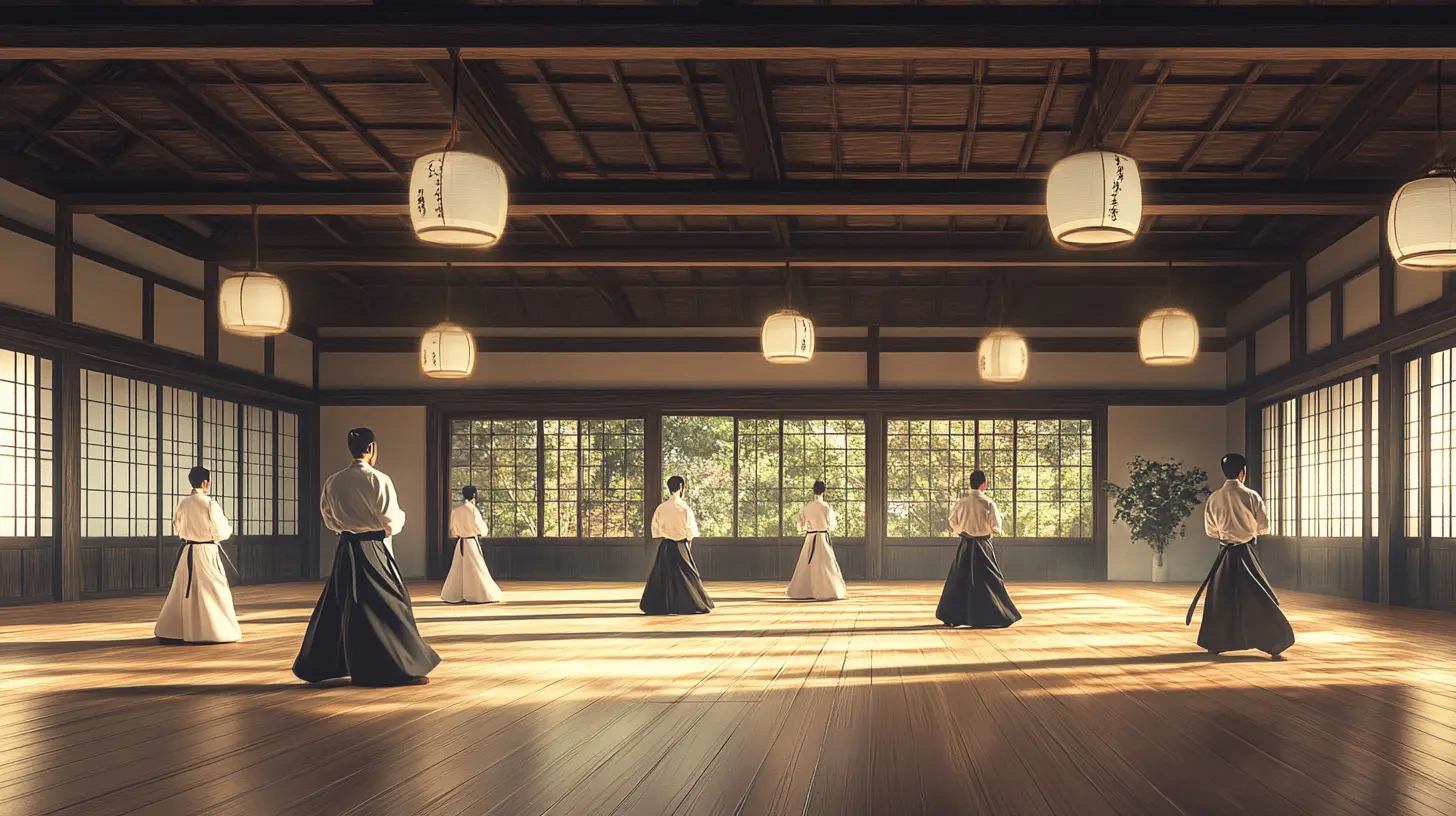
In today’s fast-paced world, finding a sense of peace and balance is increasingly essential. Amid the noise of day-to-day life, many of us are seeking ways to ground ourselves and connect more deeply with our inner selves. Aikido, a Japanese martial art, offers a unique form of moving meditation that can help individuals find their centre, not only physically but also mentally and spiritually.
Understanding Aikido: More than just self-defence
Aikido is often perceived simply as a self-defence technique, but it’s so much more. Developed in the early 20th century by Morihei Ueshiba, Aikido translates to ‘the way of harmonious spirit.’ This martial art focuses on blending with an opponent’s movement to redirect energy instead of confronting it with force. Practitioners learn how to guide and transform attacks using joint locks and throws, which requires skill, precision, and mental clarity.
The philosophical roots of Aikido
At the core of Aikido’s philosophy is the integration of mind, body, and spirit. This harmonious blend allows practitioners to move with intention and awareness. The founder, Morihei Ueshiba, envisioned Aikido not as a means to conquer others, but as a path to achieving peace with oneself and the world. This philosophy is central to using Aikido as a form of moving meditation.
Aikido techniques for inner peace
The practice of Aikido fosters inner peace in several ways. The movements require focus and concentration, which naturally quiets the clutter of daily thoughts. With consistent practice, students develop increased self-awareness and a greater ability to remain calm under pressure. This can lead to significant improvements in mental health and well-being.
Moving meditation: A fusion of Aikido and mindfulness
Moving meditation is a practice where mindful attention is directed toward motion rather than stillness. It involves using fluid movements to enter a meditative state, which can be particularly effective for those who find traditional, static meditation challenging. In Aikido, the art becomes a dance of mindfulness and alertness.
The synergy of movement and stillness
Unlike traditional meditation, where one sits in silence, Aikido’s moving meditation combines physical activity with mental focus. Practitioners transition smoothly between techniques, remaining present in each movement. This dynamic form of meditation offers unique benefits, helping to reduce stress, improve concentration, and encourage personal growth.
Harnessing energy through ki
Central to Aikido is the concept of ‘ki,’ or life energy. In practice, aikidokas learn to sense this energy within themselves and their partners. By harmonising their ki with that of their opponent, practitioners can perform techniques effortlessly and effectively. This synergy not only enhances martial skill but also fosters a profound awareness of the connection between all living things.
The health benefits of Aikido as meditation
The integration of Aikido and meditation provides a holistic approach to health and wellness. The practice encourages the development of physical, mental, and spiritual health, offering numerous benefits that extend beyond the dojo.
Enhancing physical fitness
Regular Aikido practice builds physical fitness. It improves flexibility, balance, and coordination through repetitive movements and techniques. Unlike high-impact sports, Aikido is gentler on the joints, making it accessible to people of all ages. The cardiovascular benefits are comparable to moderate intensity workouts, helping to maintain a healthy heart and reduce the risk of lifestyle diseases.
Mental and emotional well-being
Aikido’s focus on mindfulness helps reduce stress and anxiety. It fosters a calm mind and teaches resilience. Scientific studies reveal that physical activity, combined with mindfulness practices, improves mental health by reducing symptoms of depression and anxiety, enhancing mood, and increasing overall life satisfaction (source).
Spiritual growth through practice
Beyond the physical and mental benefits, Aikido cultivates spiritual development. Practitioners are encouraged to explore themes such as compassion, empathy, and self-awareness. These values, integral to Aikido practice, support personal growth and contribute to a more harmonious life.
Integrating Aikido into your daily routine
Starting with Aikido is a commitment that can transform your life. Here are some steps to integrate this moving meditation into your routine and maximise its benefits.
Find a local dojo
Connecting with a local dojo like Aikido Bayside can provide guidance and community support. A dojo environment is essential for learning the correct techniques and philosophies under the supervision of experienced instructors. Many dojos offer beginner classes that cater to all fitness levels.
Practice regularly
Consistency is key to experiencing the full benefits of Aikido. Aim for regular practice, gradually increasing frequency as your skills and interest develop. Regular practice sessions will deepen your understanding and refine your skills.
Combine with yoga and meditation
For an integrated approach to health and well-being, consider complementing Aikido with yoga and meditation. Both practices enhance flexibility and mental clarity. They provide additional opportunities to cultivate a mindful lifestyle, deepening the meditative aspect of your movements.
Summary
Aikido as a form of moving meditation offers an enriching path to finding your centre. By integrating physical movement with mindfulness, individuals can enjoy a wide spectrum of benefits — from improved fitness and stress reduction to enhanced emotional and spiritual well-being. Through consistent practice, Aikido becomes more than just a martial art; it transforms into a way of life that aligns the body, mind, and spirit in harmony. Whether you are new to meditation or a seasoned practitioner, Aikido promises a unique and fulfilling journey for seekers of inner peace.
Frequently asked questions
What is the main focus in Aikido?+
Aikido focuses on harmonising with an opponent's movements to neutralise potential attacks without causing harm. It emphasises personal growth, mindfulness, and the integration of mind, body, and spirit.
Is Aikido suitable for all ages?+
Yes, Aikido can be practised by people of all ages. Its techniques are gentle and can be adapted to suit individual abilities, making it accessible and beneficial for everyone.
Can Aikido help with stress management?+
Absolutely. The meditative focus of Aikido helps practitioners develop mental clarity and resilience, effectively managing stress and promoting relaxation.
What equipment do I need to start Aikido?+
For beginners, loose, comfortable clothing is usually sufficient. As you progress, investing in a gi (traditional martial arts uniform) is recommended. Some dojos may also provide practice weapons, such as wooden swords or staffs, for advanced training.
How does Aikido compare to other martial arts?+
Unlike martial arts that focus on competition and offence, Aikido prioritises harmony and defence. It offers a unique combination of physical activity, philosophy, and meditation, catering to those who seek self-defence skills and personal growth.