
Aikido's influence on modern self-defence
World Aikido Yoga
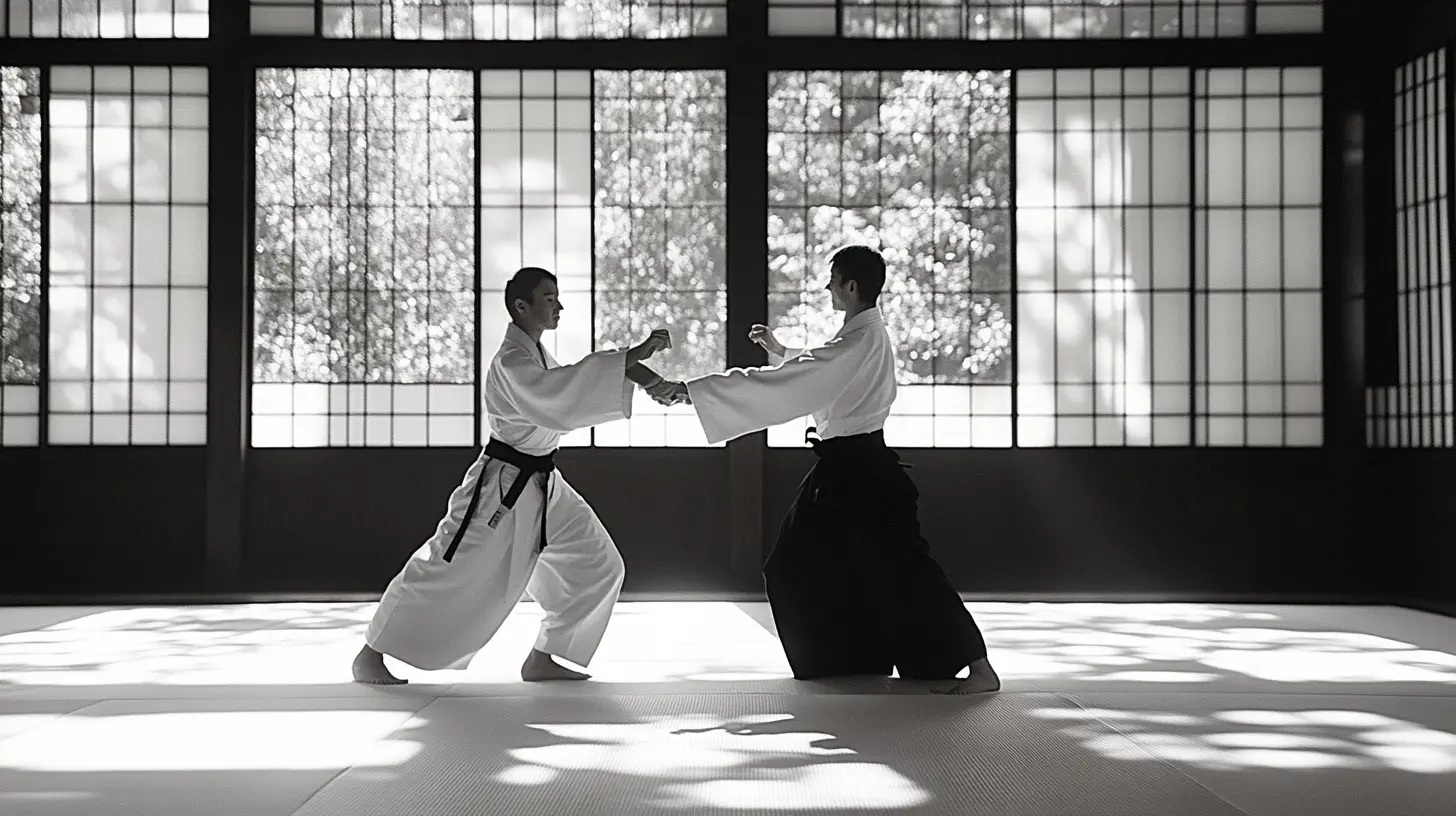
Aikido, a Japanese martial art developed in the early 20th century by Morihei Ueshiba, is renowned for its unique approach to self-defence. Unlike other martial arts that focus on striking or grappling, Aikido emphasises the redirection of an opponent’s energy and seeks to neutralise aggression without causing harm. This philosophy not only sets it apart but also influences modern concepts of self-defence, making it a popular choice for many seeking a non-violent yet effective method of protection.
The philosophy of Aikido
Harmony and balance
At the heart of Aikido is the principle of harmony. Ueshiba envisioned it as more than just a martial art; it’s a way to foster peace and understanding. The core objective is not to defeat an attacker but to create harmony and maintain balance—even in the face of aggression. Practitioners learn to blend with an opponent’s movements, using their energy to control or redirect an attack.
This philosophy is grounded in the notion that conflict escalates when opposing forces clash. By aligning one’s efforts with an aggressor’s energy, Aikido practitioners can transform potential confrontations into opportunities for understanding and resolution. This mindset is crucial in modern self-defence scenarios that often require de-escalation.
Mindfulness and presence
The practice of Aikido demands mindfulness and awareness. Practitioners must remain present, focusing on the here and now to effectively perceive the nuances of an attack and respond accurately. This mental discipline is beneficial beyond physical confrontations, aiding in stress reduction and emotional control.
Incorporating mindfulness into self-defence means being prepared for any situation without being reactive. It requires the ability to anticipate and adapt, skills that are invaluable for personal safety and general wellbeing.
Techniques that shape modern self-defence
Using an opponent’s energy
Aikido techniques are well-regarded for the innovative use of an opponent’s energy. Techniques like “Ikkyō” or “Irimi-nage” illustrate how practitioners can turn an aggressor’s force against them, causing unbalance or directing the energy away. Rather than meeting force with force, Aikido practitioners pivot, leading the adversary’s energy in a harmless trajectory.
This concept has been integrated into various self-defence systems that aim to protect individuals without necessitating brute strength, making it accessible for people of various sizes and strengths. It’s particularly beneficial for those who may not have the physical capacity to engage in combat but still wish to defend themselves effectively.
Joint locks and throws
Aikido’s repertoire is rich with joint locks and throws that incapacitate an opponent without serious injury. Techniques such as “Kote-gaeshi” (wrist twist) and “Shiho-nage” (four-direction throw) offer methods for breaking free from grips or ending attacks quickly.
These techniques are a favoured element in many modern self-defence programs, encouraging a focus on efficiency and control over opponents. They allow for safe disengagement, enabling individuals to protect themselves while maintaining the integrity of the assailant—a respectful trait that underscores the compassionate nature of Aikido.
Aikido in police and military training
Non-lethal intervention
Many law enforcement agencies and military units worldwide integrate Aikido into their training regimes. Its emphasis on non-lethal measures aligns with the modern police ethos of minimal force. For instance, Aikido offers techniques for restraining individuals without injury, crucial for crisis de-escalation and handling volatile situations ethically.
In military contexts, Aikido complements lethal techniques by providing service members with options that do not necessarily result in harm—crucial in peacekeeping missions and encounters with civilians. In particular, its emphasis on neutral techniques helps maintain the balance between security and humanity.
Building awareness and discipline
Training in Aikido enhances spatial awareness and situational analysis, equipping personnel with a heightened ability to read their environment. The discipline cultivated in regular practice is essential, fostering patience, strategic thinking, and a proactive approach—qualities paramount for those in defence roles.
By applying Aikido principles, individuals in high-pressure roles develop resilience and adaptability, allowing them to manage stress effectively and make sound decisions in rapidly evolving situations.
The benefits of Aikido for the individual
Developing physical fitness
Aikido, like any physical martial art, contributes significantly to personal fitness. The constant movement, focus on core strength, and flexibility involved in practice enhance cardiovascular health, muscular coordination, and endurance. Unlike high-impact sports, Aikido provides a low-impact yet comprehensive workout, suitable for varying fitness levels.
Beyond aiding fitness, the art improves posture and balance, leading to a healthier and more resilient body capable of executing complex techniques and responding to dynamic situations.
Enhancing mental acuity
The cognitive benefits of Aikido are substantial, offering mental clarity and improved focus. The requirement to execute precise movements and strategise effectively under pressure sharpens the mind. Furthermore, it cultivates emotional intelligence, an essential trait for managing fear, aggression, and anxiety.
Regular practice enhances cognitive flexibility and problem-solving skills, empowering individuals to navigate complex situations innovatively.
Integrating Aikido with yoga and meditation
Holistic approach to self-defence
Aikido’s synergy with yoga and meditation provides practitioners with a holistic self-defence approach. Yoga complements the physical aspects by enhancing flexibility and strength, while meditation fortifies the mind, promoting centre and calmness.
Together, these practices cultivate a well-rounded individual capable of navigational challenges with poise, making them less susceptible to confrontations and more capable of leading harmonious lives.
Stress reduction and resilience
The integration of these practices addresses modern stressors effectively. Yoga’s breath control and meditation’s focus on serenity counterbalance life’s pressures, empowering individuals to remain composed under duress. This calmness translates into an enhanced capacity to handle stress, both in self-defence scenarios and everyday situations.
When combined, Aikido, yoga, and meditation encourage a mindful existence, promoting resilience, adaptability, and peace of mind, all vital in contemporary society.
Summary
Aikido stands out as a martial art rooted deeply in the principles of non-aggression, harmony, and peace. Its unique approach not only serves as an effective self-defence method but also shapes personal and ethical philosophies applicable across various aspects of life. By embracing Aikido alongside practices like yoga and meditation, individuals can foster a balanced existence, equipped to handle the complexities of modern life with grace and strength. Whether you are seeking a path to self-defence or a journey towards personal growth and understanding, Aikido offers a transformative experience that enriches both the mind and body.
Frequently asked questions
Is Aikido suitable for children?+
Yes, Aikido is excellent for children. Its emphasis on non-violence and harmony makes it a safe martial art for kids to learn self-discipline, respect, and coordination. Many dojos offer children's classes that focus on these fundamentals in a fun and supportive environment.
Can Aikido be effective for self-defence?+
Absolutely. Aikido's techniques harness an attacker's energy, enabling defenders to neutralise threats efficiently without resorting to aggression. It's a unique martial art effective for those who prefer non-violent methods of self-protection.
How do Aikido principles apply outside of martial arts?+
Aikido's lessons in harmony, balance, and mindfulness can enhance personal interactions and professional pursuits. The emphasis on blending with and redirecting energy can improve negotiation skills, conflict resolution, and stress management.
What are the benefits of combining Aikido with yoga?+
Combining Aikido with yoga enhances physical flexibility and mental focus. The practices complement each other, offering comprehensive health benefits that improve both the body and mind, fostering inner peace and resilience.
Is Aikido hard to learn for beginners?+
Like any skill, Aikido requires commitment and regular practice. Its philosophy and techniques may initially seem challenging for beginners, but with perseverance and guidance from experienced instructors, learners can progress quickly and enjoy its numerous benefits.