
Aikido for seniors: benefits and considerations
World Aikido Yoga
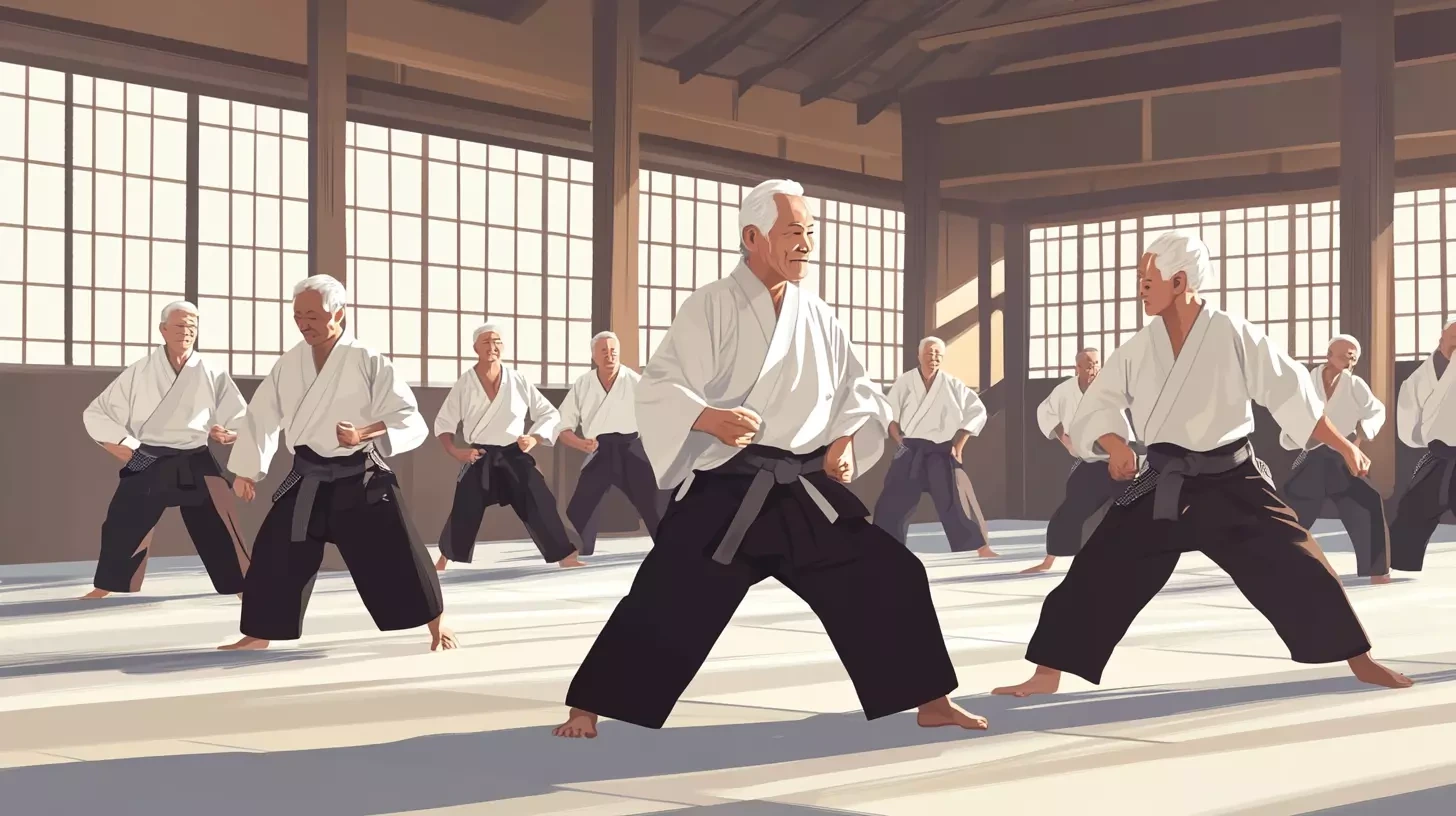
Aikido, with its gentle flowing movements and focus on harmony, presents an appealing choice for seniors seeking to enhance their physical and mental wellbeing. Unlike many martial arts, Aikido emphasises self-defence through non-aggressive techniques, making it an ideal practice for individuals of all ages, especially seniors. Let’s explore the unique benefits and considerations of Aikido for seniors, and why it might be the perfect activity as you or your loved ones age.
What is Aikido and why is it suitable for seniors?
Aikido, a Japanese martial art developed by Morihei Ueshiba, focuses on using the force of an attacker against themselves, rather than relying on physical strength. This aspect makes Aikido particularly suitable for seniors, who may not have the physical stamina typical of younger practitioners.
The principles of Aikido
Aikido revolves around principles of fluidity, balance, and control. Unlike more aggressive martial arts, Aikido communions the mind, body, and spirit with its unique, holistic perspective, advocating for conflict resolution without harm. This philosophical approach is crucial for seniors, enabling them to engage in self-defence while minimising the risk of injury.
Low impact and adaptable techniques
Aikido techniques can be modified and tailored to suit participants with varying levels of mobility and fitness. Practitioners focus on circular movements that redirect an opponent’s energy, avoiding direct confrontation. The adaptability of Aikido allows it to be practiced gently or vigorously, catering to the individual needs of seniors.
Physical health benefits of Aikido for seniors
Improved balance and flexibility
An essential aspect of Aikido training is enhancing one’s sense of balance and flexibility, both of which can diminish with age. Regular practice encourages the development of a stronger core and improved joint mobility, reducing the risk of falls, which are significantly hazardous to seniors. In fact, studies have shown with scientific backup that engaging in exercises that improve balance can greatly reduce fall risk in the elderly.
Cardiovascular and muscular benefits
Aikido provides a comprehensive workout that engages various muscle groups. While it might appear meditative, the movements are dynamic and fluid, promoting cardiovascular health. Consistent practice can lead to increased stamina, muscle tone, and lower blood pressure, greatly benefiting seniors who require gentle cardiovascular workouts.
Pain management and posture improvement
The practice of Aikido encourages correct posture, which can alleviate chronic pain, especially in the lower back and neck, common areas of discomfort among older adults. As seniors hone their Aikido skills, they often find that their posture improves, leading to decreased musculoskeletal pain and improved breathing.
Mental health benefits of Aikido for seniors
Stress reduction and relaxation
Aikido is not just about physical proficiency but also cultivating a calm and composed mind. Through disciplined practice, seniors can achieve a meditative state during techniques, helping to alleviate stress and anxiety. The ongoing focus on relaxation and controlled breathing exercise helps practitioners maintain a tranquil mental state, conducive to overall well-being.
Enhanced cognitive function
Learning and memorising Aikido techniques engages the brain in novel problem-solving activities. This mental stimulation can enhance cognitive function and improve memory, guarding against cognitive decline in senior years. Activities like these have been shown in research to slow down the progression of dementia and Alzheimer’s disease.
Social engagement and community
Participating in Aikido classes fosters a sense of community, critical for combating loneliness and isolation often experienced by seniors. The dojo provides a supportive environment where individuals can form friendships, share experiences, and gain encouragement from peers and instructors alike.
Things seniors should consider when starting Aikido
Consulting with healthcare providers
Seniors considering Aikido should first consult with healthcare professionals to ensure they’re physically fit for martial arts training. This step is essential to prevent exacerbating any existing health conditions.
Finding the right dojo
Selecting a dojo that understands the unique needs of older adults is crucial. Aikido Bayside, for example, tailors classes to be inclusive of seniors, offering modified movements and supportive guidance to accommodate everyone involved. Look for instructors who are compassionate and experienced in teaching older adults.
Listening to one’s body
As an older adult, it’s important to listen to one’s body while engaging in physical activity. Understanding limitations and working within them fosters a safe and rewarding practice, allowing gradual improvement without overexerting oneself.
Summary
Aikido offers a unique, holistic approach to physical activity that aligns well with the needs of seniors. By enhancing balance, flexibility, and mental acuity, while also providing a welcoming community, Aikido can enrich the lives of seniors, contributing to their physical and mental health. Whether you’ve practiced martial arts before or are starting anew, the benefits Aikido poses for seniors are numerous and compelling. As you or your loved ones explore this engaging martial art, remember to approach it with curiosity and patience, reaping the extensive rewards it offers.
Frequently asked questions
Is Aikido safe for seniors?+
Yes, Aikido can be a safe martial art for seniors, especially when movements are adapted to suit individual physical capabilities. The focus on balance and redirection over force reduces injury risk.
Will Aikido help with arthritis?+
Aikido's gentle movements can help maintain joint flexibility and reduce stiffness, benefiting those with arthritis. However, it's crucial to modify exercises as needed and consult a doctor before beginning.
Can Aikido improve my mobility?+
Regular Aikido practice can indeed improve mobility by increasing flexibility and strengthening muscles, contributing to better overall movement.
How often should seniors practice Aikido?+
For optimal benefits, seniors should aim for two to three classes per week. This frequency allows for sufficient practice and rest, promoting steady progress and preventing strain.
Do I need prior experience to start Aikido?+
No prior martial arts experience is necessary to begin Aikido. Beginners will learn the foundational techniques and principles, progressing at a comfortable pace.