
The importance of breathing in Aikido practice
World Aikido Yoga
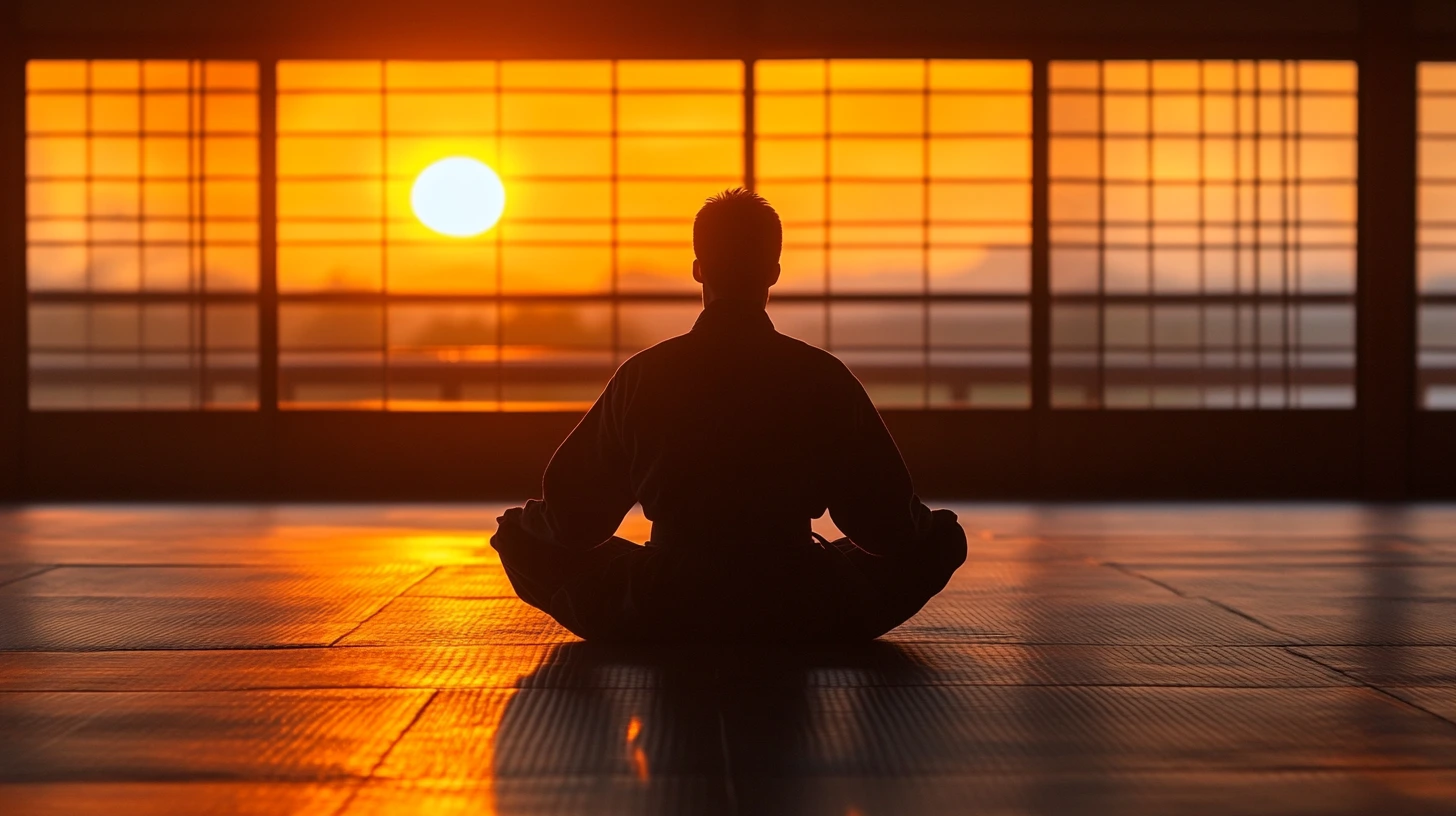
When we engage in Aikido practice, we often focus on the physical techniques and movements. Yet, there is a profound aspect of Aikido that is sometimes overlooked: the power and importance of breathing. Proper breathing not only enhances our physical capabilities but also nurtures the mind-body connection, which is fundamental in Aikido and many other martial arts. In addition, breath awareness is a cornerstone of various wellness practices, including Yoga. This article will delve into why breathing is critical in Aikido practice, explore techniques that harness the power of breath, and emphasize the broader implications for well-being and personal development.
The science behind breathing
Before we delve into the practical applications of breathing in Aikido, it’s crucial to understand the science behind it. Breathing plays a vital role in oxygenating the body’s cells and expelling carbon dioxide. The human respiratory system ensures that every cell functions optimally (McGill, 2018).
Recent studies have shown that controlled breathing can significantly affect the autonomic nervous system, particularly the balance between the sympathetic and parasympathetic systems (Brown & Gerbarg, 2005). This balance is essential for managing stress and enhancing focus, both crucial in martial arts training. For instance, a study published in the Journal of Psychophysiology confirmed that regulated breathing can lower heart rates and reduce stress (Jerath, Ramesh, & Barnes, 2006).
Breathing techniques in Aikido
Ki breathing
Ki, often translated as life force or energy, is a central concept in Aikido. Ki breathing, or ‘kokyu’, focuses on harnessing and directing this energy. The practice involves deep diaphragmatic breathing, coordinated with movements and techniques.
-
Benefits: Ki breathing enhances balance, timing, and posture. It encourages relaxation and a meditative state, which leads to more fluid and effective techniques (Ueshiba, 1984).
-
How to practise: Sit comfortably and focus on deep, slow breaths. Inhale through the nose, filling the diaphragm, then exhale slowly, releasing tension with each breath. The goal is to merge the mind and body into a seamless state, which is essential for effective Aikido practice.
Zazen breathing
Zazen meditation, originating from Zen Buddhism, also plays a part in Aikido philosophy. Zazen breathing emphasises maintaining a calm and focused state, often involving counting breaths to enhance concentration.
-
Benefits: It cultivates mindfulness, improves emotional control, and can lead to insights that augment one’s Aikido practice (Deshimaru, 1982).
-
How to practise: Find a quiet spot, sit in a posture that’s neither too rigid nor too relaxed, and breathe naturally. Close the mouth and inhale through the nose. As thoughts arise, acknowledge them and let them float away, returning to the breath as the focal point.
The connection between breath and movement in Aikido
In Aikido, synchronising breath with movement is not just encouraged — it is fundamental. This synchronisation maximises efficiency, power, and effective energy use.
Breath synchronisation
Each technique in Aikido can be enhanced through breath synchronisation. For instance, a powerful throw is not merely about physical strength but how one directs energy through controlled breathing.
-
Maximising energy flow: By coordinating the breath with movement, practitioners can direct energy flow, offering greater power and efficiency in techniques.
-
Improving relaxation and fluidity: Proper breathwork ensures that a practitioner remains relaxed. Tension can disrupt fluidity, critical in the flow-based art of Aikido.
Breath and posture
Breathing not only connects with movement but also with posture. A centred, grounded posture enhances balance and power in techniques.
-
Embodying balance: Proper posture, buoyed by conscious breathing, allows an aikidoka to harness balance, necessary for both defensive and offensive techniques (Sunadomari, 1985).
-
Enhancing presence: A grounded posture, supported by deep breathing, projects a strong physical and psychological presence.
Breath, mindfulness, and overall well-being
The principles of breathwork practiced in Aikido echo in the realms of mindfulness and overall well-being.
Mindfulness
At its core, Aikido is as much about the mind as it is about the body. Breathwork cultivates mindfulness, ensuring the practitioner remains present in each moment.
-
Increased focus: Regular practice develops a heightened state of focus. Scientific research corroborates this, noting that meditative breathing enhances attention span and task completion (Zeidan et al., 2010).
-
Emotional regulation: Mindful breathwork helps manage emotions, reducing anxiety and stress levels. Studies validate this, noting breathwork’s role in emotional regulation (Arch & Craske, 2006).
Overall well-being
Beyond the dojo, the breathing techniques of Aikido promote holistic well-being. The total influence of breath extends into physical health, mental clarity, and emotional equilibrium.
-
Physical health: Controlled breathing can improve lung function, lower blood pressure, and reduce inflammation (Brown & Gerbarg, 2005).
-
Mental clarity: Continuous practice enhances cognitive function, with reported improvements in memory and problem-solving skills (Zhong et al., 2016).
-
Emotional balance: Through regular practice, one cultivates resilience, experiencing greater stability in the face of life’s challenges.
Summary
Breathing is a powerful ally in Aikido practice, enhancing not just physical performance but mental and emotional health. By embracing breathwork alongside traditional techniques, practitioners can achieve more rounded development. The interconnectedness of breath, movement, and mindfulness extends benefits beyond the dojo, nurturing a holistic approach to martial arts and well-being. As you continue or embark on your Aikido journey, let each breath be a reminder of the importance of integrating mind, body, and spirit.
By adopting the breathing techniques discussed, you’ll uncover a richer, more rewarding martial arts experience, filled with deeper insights, enhanced skills, and improved well-being.
References:
- McGill, I. (2018). Human Physiology: An Integrated Approach. Pearson Education.
- Brown, R. P., & Gerbarg, P. L. (2005). “Sudarshan Kriya Yogic breathing in the treatment of stress, anxiety, and depression. Part II–clinical applications and guidelines.” Journal of Alternative and Complementary Medicine.
- Jerath, R., Ramesh, G., & Barnes, V. A. (2006). “Physiology of long pranayamic breathing: neural respiratory elements may provide a mechanism that explains how slow deep breathing shifts the autonomic nervous system.” Journal of Psychophysiology.
- Zeidan, F., et al. (2010). “Mindfulness meditation improves cognition: Evidence of brief mental training.” Consciousness and Cognition.
- Zhong, Y., et al. (2016). “The effect of breathing on cognitive performance.” Cognitive Processing.
- Arch, J. J., & Craske, M. G. (2006). “Mechanisms of mindfulness: Emotion regulation following a focused breathing induction.” Behaviour Research and Therapy.
- Ueshiba, K. (1984). The Art of Peace. Shambhala.
- Deshimaru, T. (1982). The Zen Way to Martial Arts: A Japanese Master Reveals the Secrets of the Samurai. Penguin Books.
- Sunadomari, K. (1985). Aikido: The Way of Harmony. Kodansha International.
Frequently asked questions
How does breathing affect Aikido technique?+
Breathing effectively affects Aikido techniques by promoting energy flow, enhancing balance, and reducing tension. It allows practitioners to remain relaxed and focused, which is crucial for executing techniques with precision and power.
Can controlled breathing reduce anxiety?+
Yes, scientific research demonstrates that controlled breathing can reduce anxiety by engaging the parasympathetic nervous system, promoting relaxation and reducing stress hormones (Jerath et al., 2006).
How can I incorporate breathwork outside of Aikido practice?+
Breathwork can be incorporated into daily practices through mindfulness exercises, yoga, or dedicated meditation sessions. Regular practice can enhance overall well-being and emotional equilibrium.
What's the best time to practise breathing exercises for optimal results?+
The best times are typically in the morning or before bed when you can set aside uninterrupted time. Consistency is key, so practising daily, regardless of time, can yield significant results.
Are there any health risks to practising breathing exercises?+
Generally, breathing exercises are safe, but individuals with respiratory conditions or cardiovascular issues should consult healthcare professionals before commencing new practices.