
Aikido and body awareness
World Aikido Yoga
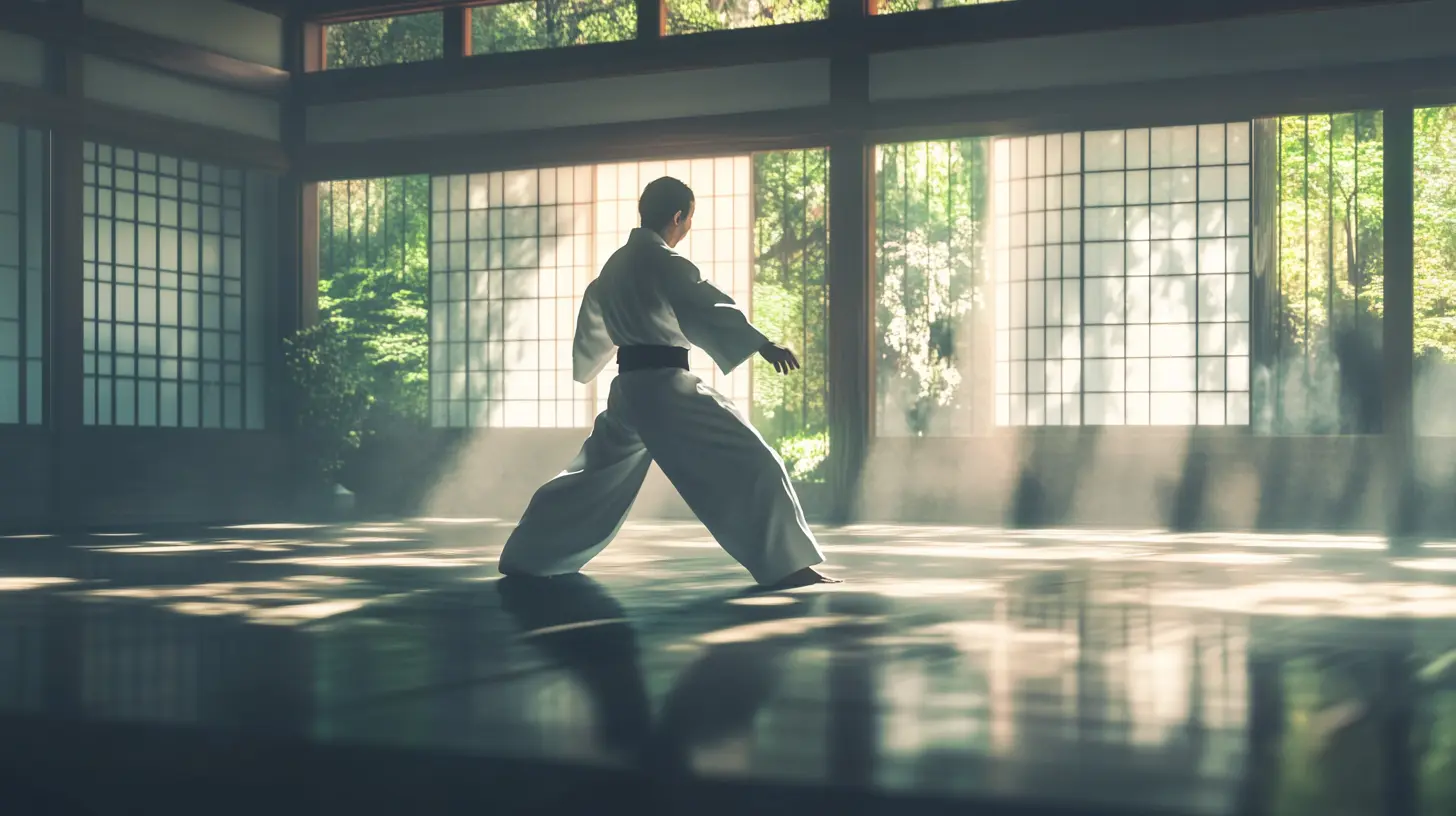
Aikido, a traditional Japanese martial art, is renowned for its grace, fluidity, and focus on harmonising with an opponent’s energy rather than opposing it. Practising Aikido fosters a profound sense of body awareness, an understanding that transcends physicality and delves deep into the realms of mental and emotional awareness. As practitioners master this art form, they also cultivate a heightened awareness of their own bodies, which can translate into numerous benefits including enhanced balance, agility, stress reduction, and emotional resilience.
Understanding Aikido and body awareness
The term “body awareness” refers to a person’s proprioception, or conscious knowledge of one’s own body and its movements in space. This awareness is crucial for maintaining good posture, avoiding injuries, and moving efficiently. In Aikido, body awareness is developed through systematic training that emphasises correct posture, balance, and the harmonious coordination of movements.
The role of physical training in Aikido
Aikido training involves repetitive movements and techniques that practitioners must perform with precision. This repetition helps in ingraining movements into muscle memory. Techniques such as ‘Ukemi’ (the art of falling) not only teach self-protection but also enhance coordination and agility. Through consistent training, practitioners slowly develop the ability to perceive and react to their environment with immediacy and accuracy.
Aikido techniques to enhance body awareness
Techniques used in Aikido, such as ‘Ikkyo’ (first technique) and ‘Nikkyo’ (second technique), require practitioners to pay close attention to the alignment of their limbs and the centre of gravity. These techniques foster an acute form of body awareness, as students must coordinate their movements with precision, timing their actions to align with an opponent’s energy. Such training enhances proprioception and bodily awareness, leading to improved physical performance and mindfulness.
Integration of Aikido with mindfulness
While Aikido primarily emphasises physical training, it is also deeply intertwined with mindfulness and mental discipline. The core principle of Aikido is harmonisation rather than confrontation, which mirrors the practice of mindfulness – being present in the moment without judgement.
The psychological impact of Aikido
Practising Aikido encourages a mindful state of being, promoting mental clarity and emotional balance. By focusing on the present moment and the nuances of each technique, practitioners learn to quiet their minds, offset stress, and develop emotional resilience. Research supports that engaging in regular mindful physical practices can significantly reduce stress and improve mental health.
Breathwork and meditation in Aikido
Breathwork is a fundamental component of Aikido practice. Proper breath control aids in maintaining a calm and concentrated mind, supporting practitioners in managing their exertion and tension levels during training. Meditative practices within Aikido, often done prior to training sessions, allow individuals to centre themselves, fostering an awareness that permeates their daily activities.
The benefits of enhanced body awareness from Aikido
Improved body awareness obtained through Aikido practice can lead to multiple benefits in both personal and professional life.
Physical health benefits
Enhanced body awareness contributes to better posture and movement efficiency, which can alleviate physical ailments such as back pain. Moreover, an efficient movement can lead to improved athletic performance and a lower risk of injuries. Learn more about the health benefits.
Mental health improvements
The cognitive benefits of increased body awareness should not be underestimated. With improved proprioception, individuals often experience better concentration and memory retention. Mindful physical practices like Aikido can also reduce symptoms of anxiety and depression, enhancing overall well-being.
Emotional resilience and confidence
Aikido teaches self-defence without aggression, fostering a sense of confidence that comes with self-awareness. As practitioners learn to connect their physical techniques with mental clarity, they develop the emotional resilience to handle life’s challenges with grace.
How to enhance body awareness through Aikido practice
Achieving a deep sense of body awareness in Aikido requires patience and consistent practice. Here are some tips to aid in this journey.
Practicing with intention
Perform each movement with deliberate intention, focusing on the sensation within your body. Take note of how each limb feels and how your centre of gravity shifts.
Engaging in regular feedback
Regular feedback from instructors or peers can be invaluable. Constructive criticism helps pinpoint areas of weakness while supporting your journey towards enhanced body awareness.
Incorporating complementary practices
Integrating yoga or meditation alongside Aikido can complement its benefits, offering additional avenues for bodily awareness and mindfulness training.
Summary
Aikido is more than just a martial art; it is a journey towards comprehensive body awareness that unites physical, mental, and emotional facets of well-being. Through its practice, individuals learn to embrace a sense of mindfulness and presence, leading to enhanced health and resilience. Whether you are new to martial arts or seeking to deepen your mind-body connection, Aikido offers a fulfilling and transformative path to self-discovery and empowerment. By indulging in this beautiful art, you heighten not only your physical awareness but also your mental clarity and emotional balance. So why not take that step and explore the remarkable gifts of Aikido today?
Frequently asked questions
What is body awareness in Aikido?+
Body awareness in Aikido refers to the heightened sense of understanding one's body in space, achieved through techniques and practice that demand careful attention to posture, balance, and coordination.
How does Aikido training increase body awareness?+
The repetitive and precise movements practised in Aikido, along with techniques that require balance and coordination, foster enhanced body awareness by building proprioception and muscle memory.
Can Aikido help reduce stress?+
Yes, Aikido can help reduce stress through its focus on mindful practice, breathwork, and the meditative state engaged during training. It often results in improved emotional well-being.
Is Aikido suitable for all fitness levels?+
Aikido is adaptable for all fitness levels, with techniques and training tailored to accommodate beginners to advanced practitioners. It promotes gradual improvement and mindfulness, making it accessible to everyone.
What other activities enhance body awareness?+
Complementing Aikido with activities like yoga, Pilates, or mindful meditation can further enhance body awareness. These practices similarly focus on mindful movement and alignment.